Furniture Music, Interior Decorating, and the Disappearance of Music’s Physical Presence
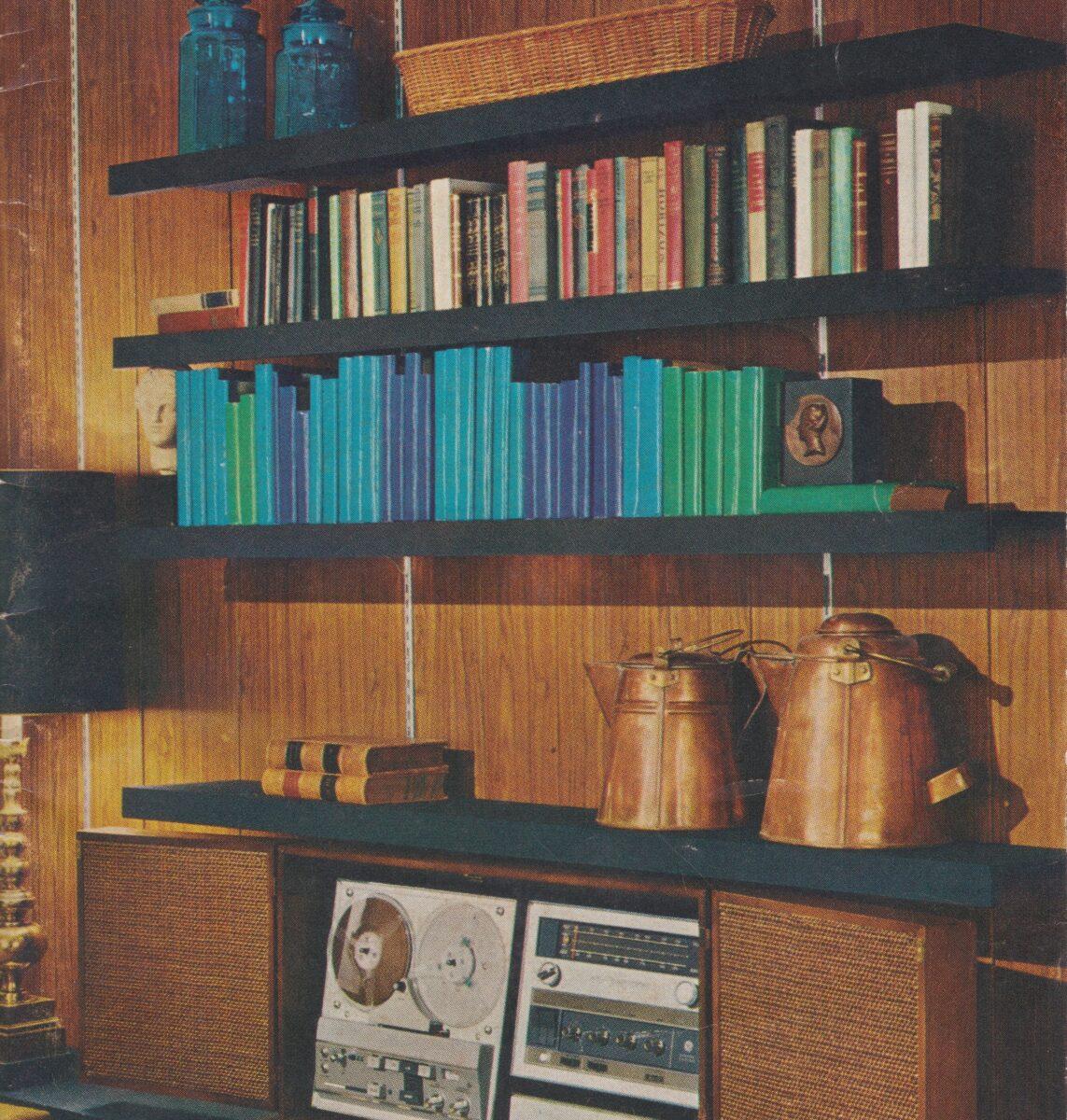
One of my little hobbies when I am out collecting at a bookstore or antique mall is picking up vintage books on interior decorating and design. I’ve long been fascinated by how people of past generations organized space, which often speaks to what items, activities, and routines were valued during a certain period in time. When I was writing the entry about Discogs’ Dis/Connect Day back in September, I went on the hunt for an image or two to include with the post as I wrapped up my writing. In my collection of these interior decorating books is a brief Better Homes and Gardens “A Guide to Bookshelves” pamphlet from 1971, which contained an entire section on incorporating turntables and sound systems into your reading nooks. This pamphlet emphasized how normal it was during this time to allow recorded sound (and books as well) to be a focal point of your living spaces, that music was just as essential to your physical space as every other part of a room. Music had a presence.
After I posted the blog with a couple scans from this pamphlet, I filed away this observation for another day. Then, while writing the blog about Steve Gunn’s Music for Writers a couple months later, I stumbled across the composer Erik Satie’s concept of furniture music, a term he coined in 1917 to refer to background music performed by live musicians, especially music of Satie’s that he deliberately composed to be ignored. Satie stated before one of these performances, “We urge you to take no notice of it and to behave during the intervals as if it did not exist. This music, specially composed for Max Jacob’s play claims to make a contribution to life in the same way as a private conversation, a painting in a gallery, or the chair which you may or may not be seated.”
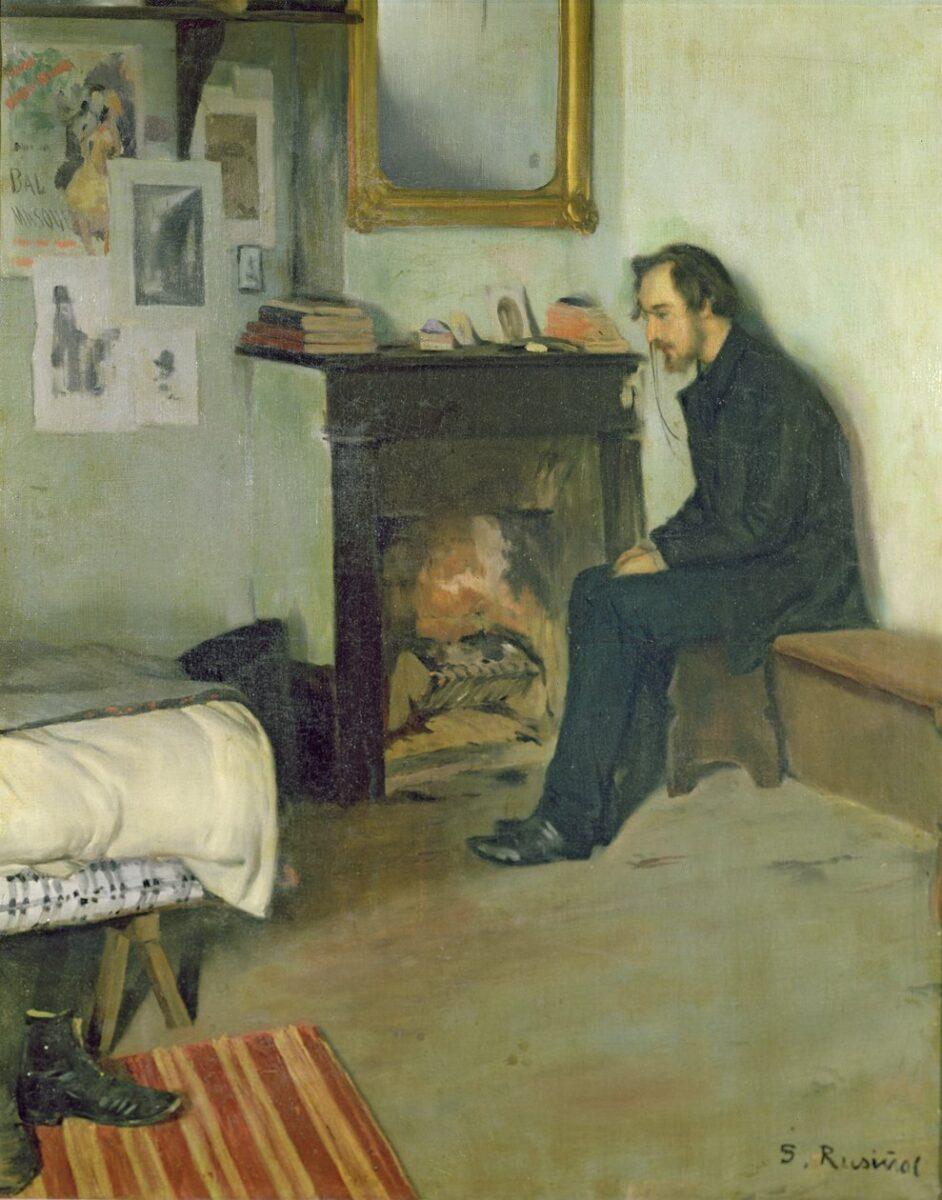
While furniture music eventually evolved into ambient music and Japanese kankyō ongaku, or could be considered a predecessor to the omnipresent Muzak, this concept was novel for the time. John Cage returned to the idea of furniture music decades after Satie introduced it. Matthew Shlomowitz wrote in his 1999 article, “Cage’s Place In the Reception of Satie,” that “For Cage, Furniture Music was important, as it was a new context for music, and a context that broke from the traditions of the concert hall. It was also important in a way that Satie had not conceived. Namely, for Satie, Furniture Music would be a part of the sounds of the environment, whereas for Cage, the noise of the environment are the music.” Satie’s idea had taken things one step further than anyone else at the time — music isn’t simply supported by furniture, music is furniture. Today, I would venture that unless someone is a record collector and hobbyist, music is certainly not furniture in their home, and there probably isn’t furniture to incorporate these items either. I began reflecting on how societal shifts from the physical to the digital not only dictate how we consume music, books, films, etc., but also that these changes reinvented how we interact with physical space as well, especially our own homes.
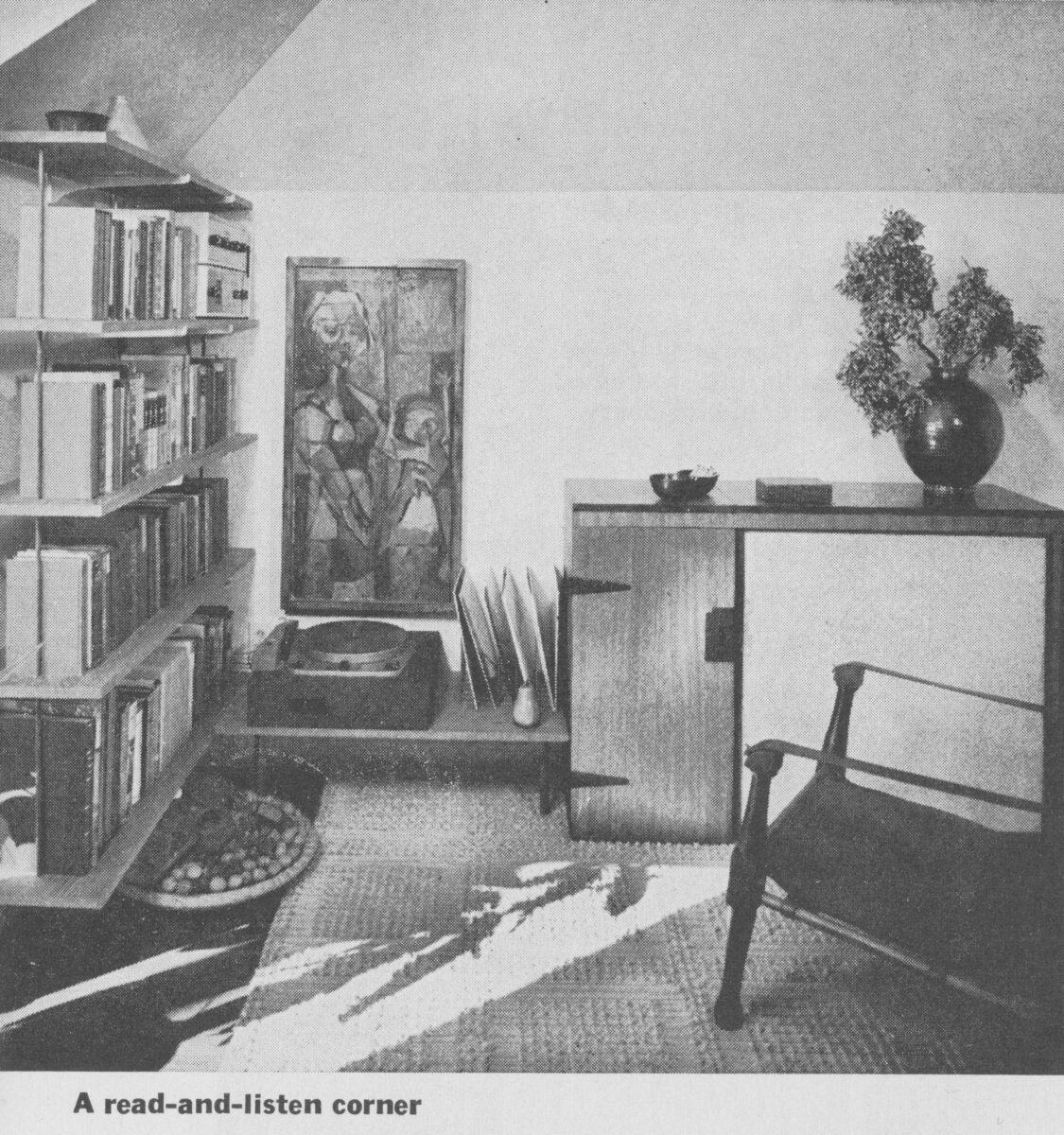
So much of what “A Guide to Bookshelves” was encouraging readers to do was not simply store their goods, but to craft a space that interacted with them, to the point that the items were integrated into the space as well. Their “read-and-listen corner” incorporated books, music, art, furniture, and decor to invite engagement with the items intentionally and spend time in a designated area that was devoted to a particular activity. As technology has progressed however, the goal seemed to be to increase portability and minimize the amount of space that a technology took up. Turntables became Walkmans and iPods, and computers shrunk until they could fit in our pockets. The contemporary revival of minimalist home decorating in the 2010s until the present day, which stems from Scandinavian and Japanese influences, also seems to directly correlate with the increase in digital daily life via smartphones and streaming. And while I believe minimalist home design is compatible with physical media, as minimalist decorating was at its peak during the 1960s and 1970s, did the decrease of physical items in people’s lives in the 2010s contribute to minimalism’s revival? This impetus to disappear physical items has increased to the point that technology is borderline invisible, with music as no longer furniture that exerts a presence in a room, but instead as imperceptible wisps in the cloud.
To some extent, LPs, tapes, and CDs are already physical manifestations of something that technically isn’t tangible. Sound waves are not visible to the naked eye, and music is at its essence, invisible. But physical recorded sound seemed to have bridged the gap between live performer and completely disembodied music. It provided embodiment for music that may have been invisible up until its invention, but was always tied to live performers, to humans and community. A physical record helped give music a sense of flesh and blood, and value in your physical space, when you could no longer see who was performing it. With a sound file or a stream, music exists in physical space only through the device that pulls the file. In all other senses, it is invisible and detached from tangibility and human touch. Does this invisibility and removal from physical space pave the way for nonhuman, artificial products to enter the field?
The other observation I noted while reflecting on this topic is how technological progress has increasingly valued being on the go by encouraging portability. The emphasis on recorded sound in interior decorating before the introduction of the portable cassette made sense, because record listening was a home-bound activity. Why not have your listening space be beautifully and functionally decorated, since you would spend ample time in that space simply sitting and listening, and maybe also reading? This style of relaxation and stillness has been increasingly eroded as technological progress favored working round the clock, and of course, being out consuming and spending money. With the introduction of tapes, CDs, iPods, and streaming, music listening could accommodate active lifestyles, and no longer was music listening a refuge from daily stressors. It became embedded right along with them.
So what does it mean going forward as our physical spaces reflect music’s presence in our lives less and less? As I said at the beginning of this entry, I love looking at old photographs of interior decorating because they say so much about what people valued enough to center their homes around. Can the increasing invisibility of music and loss of its physical presence in our homes be another form of how music becomes devalued in the digital era? If so, the act of collecting records and organizing our spaces around it renders music visible in a way that cannot be ignored. It makes obvious the humanity behind music when encroaching artificial intelligence seeks to obscure and obliterate that spark. And it becomes as comfortable in our homes as we are, part of the furniture, but maybe not as ignorable as Satie had envisioned.
– Hannah Blanchette
January 8, 2026 | Blog