Being Fed without the Feed: Music News, Social Media, and a Call for a New Infrastructure
It finally happened. Right before the holidays, I cut the last cord connecting me to any major social media platform by deactivating my Instagram. I’ve been gradually severing my ties with various social media platforms for nearly four years now, and for some reason, Instagram was the hardest to let go of. It seemed to be the least pervasive and least distressing for me — it didn’t rile me up like Twitter would and wouldn’t drag me in for hours like TikTok did. Instagram remained my final, fraying tether to the outside world through the lens of the online world. As anyone who uses Instagram knows, the feed would be cluttered with ads and recommended posts. And while there are tricks and workarounds to getting a feed that is only accounts you follow, even that view felt like the posts were only shadows of what they could be, windows into something more interesting, but not doors. I knew there would be some downsides to deactivating my account, but even with the limited capacity I still used the site, I’d had enough. It was worth the risk.
When I went to explore what was in music news to brainstorm ideas for this blog, I began to realize how much I had still passively relied on social media to keep me in the know about goings on in music, both locally and within the broader industry. I’ve adopted some practices over the years to try to distance myself from having to get music news from social media by signing up for email newsletters, subscribing to magazines, etc., but I hadn’t noticed how much my incidental Instagram habit was still keeping me in the loop. I’d taken for granted the access to information caught by a sideways glance at an album announcement post or a show reminder in an Instagram story. Without any social media, I need to adjust my habits to involve intentionally seeking updates about the music world, because severing that last tie to the social media realm was more isolating than I expected, even to a minimal user. This alienation is exactly what social media companies hope to cultivate in users, because it pushes you back to the site, back to the feed, back to the ads, all so you don’t feel disconnected anymore. But social media sites deal in the illusion of connection, and right now it can feel like the illusion of connection is all we have when it becomes harder to find the real deal.
Don’t be mistaken, the benefits of leaving social media for me have greatly outweighed this cost and I have yet to regret it. But this experience so far has made me wonder whether it is right that removingoneself from social media should so vastly affect their ability to receive music news. We — music consumers, creators, and circulators, on both a large and local scale — have come to depend on social media like a crutch to share what is happening in our world. We trust, probably too heavily, that an algorithm will make sure our information reaches the appropriate eyes and ears, relinquishing control and autonomy in the process. When people consider the possibility of stepping back from social media, but fear becoming disconnected, that fear is all to justifiable because any infrastructure for staying connected online (or otherwise) outside of social media is crumbling or already rubble. But the impulse to jump ship is incredibly palpable right now, from the widespread TikTok trend of “going analog” in 2026, news reports citing a rise in interest in “grandma hobbies,” referring to activities such as reading, crafts, and painting that grant a reprieve from online activities, and increasing concerns about AI and misinformation. While these trends may fade fast, they do indicate a broad-scale unrest with the status quo. It may seem ironic that all of these are online trends, but can we really expect a trend to circulate in any other way when social media has progressively bled dry other modes of receiving and transmitting information?
A new music news infrastructure is necessary for change to happen, and it can borrow from the old or manifest something new. A few years ago, when Meta had that brief outage which essentially shut down Facebook and Instagram for several hours, we shared a sentiment at the shop about how amazing it would be if social media simply disappeared and everything just went back the way it was — back to posters and flyers, blogs and newsletters, zines and mags. Well why not? Why not move forward by looking back? How can music news reclaim autonomy over its content and distribution, and evolve in the years to come to no longer rely so heavily on social media?
Back when I first started to shut down my social media profiles, I already knew I had to make some adjustments to how I received music news, and one of the first steps I took was signing up for email newsletters, ranging from daily digests from larger music news sources like Pitchfork to Substacks run by individuals, like Joshua Minsoo Kim’s Tone Glow for experimental music and Evan Minsker’s seesaw for punk. I subscribed digitally to The Wire (which is fairly affordable, I might add). However, I started to hit a roadblock when I began signing up for newsletters from record labels. I figured that a label newsletter was one of the most straightforward ways to discover what new music was coming out. And while labels such as Smithsonian Folkways have regular, engaging email newsletters, a shocking number of independent record labels had no email list and relied solely on social media to share their news. In some ways, there were commendable examples of music news sources opting for more in-depth and social-media free options, but I still felt a lack. Through my pursuit of finding these sources, I’ve selected two examples that strike me for how they eschew the need to be on a feed to effectively serve as hubs for information, in both analog and digital ways.
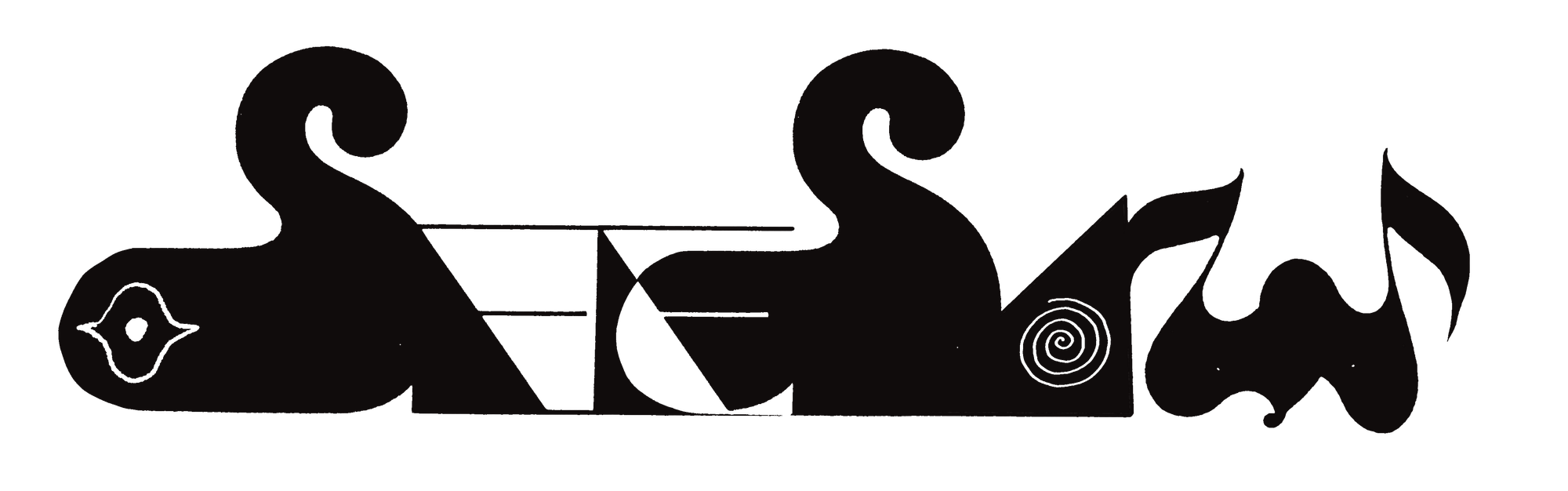
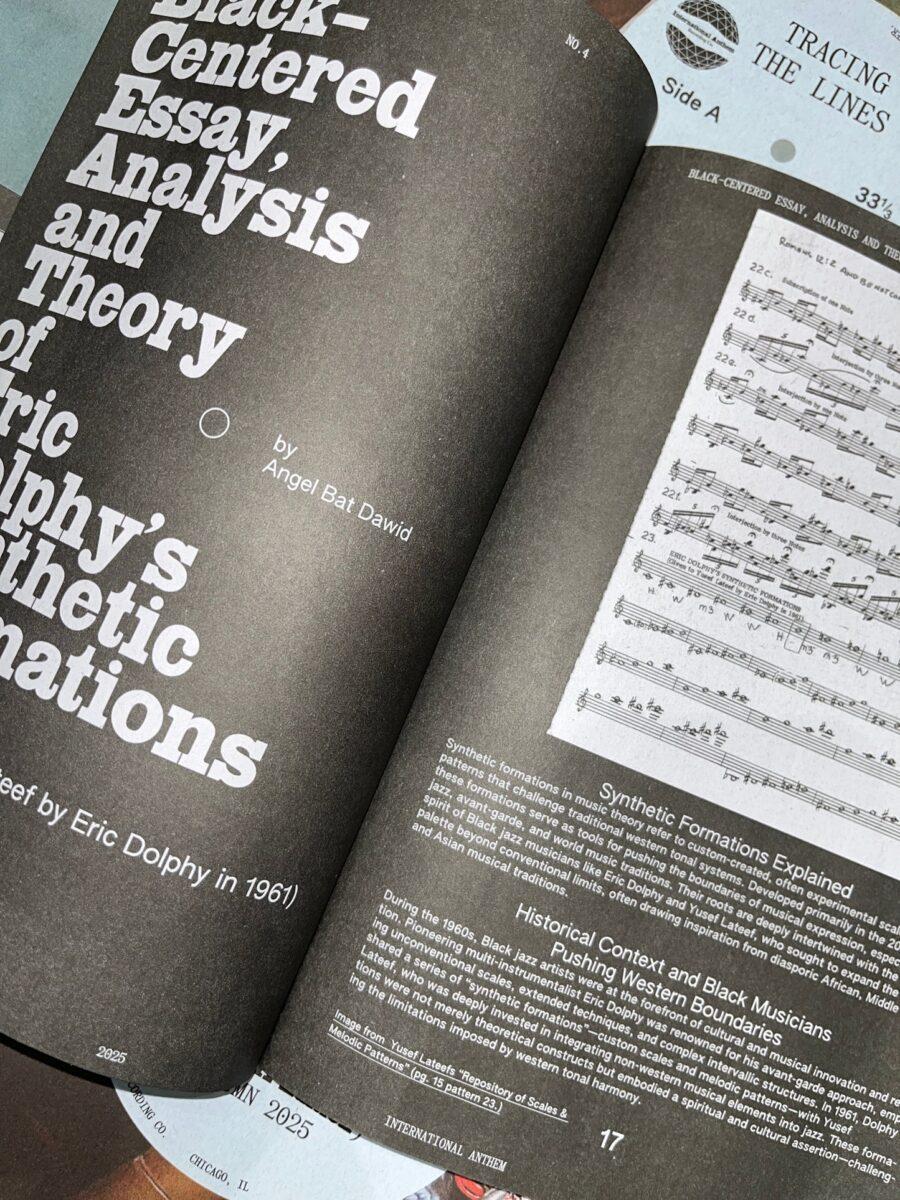
In Chicago, I’ve been compelled by how International Anthem is taking exceptional care with how they introduce their new releases to the public and help make listeners familiar with their artists. International Anthem’s zine, Tracing the Lines, is a standout effort of engagement with readers outside of traditional social media posts and newsletters. Like I stated earlier, posts only display glimpses of what awaits from the artist or release it is advertising. I’ve even found that the brevity and attention-grabbing style of social media has bled into music news writ large. One email digest I had signed up for felt like it devolved over time into eye-catching music gossip instead of providing updates on new releases, tours, and reviews. Tracing the Lines, which printed its first issue in 2022, combats this trend by crafting in-depth articles and interviews in “a creative exploration of International Anthem Recording Co. and the community that surrounds it.” The zine bridges the gap between analog and digital by releasing a print zine alongside articles available online, and the designs of the digital articles are beautifully done with classy fonts and remarkable photography. Tracing the Lines understands that music news can go beyond the headline by creating a space where their audience can go deeper and learn more about the processes and relationships behind their records.
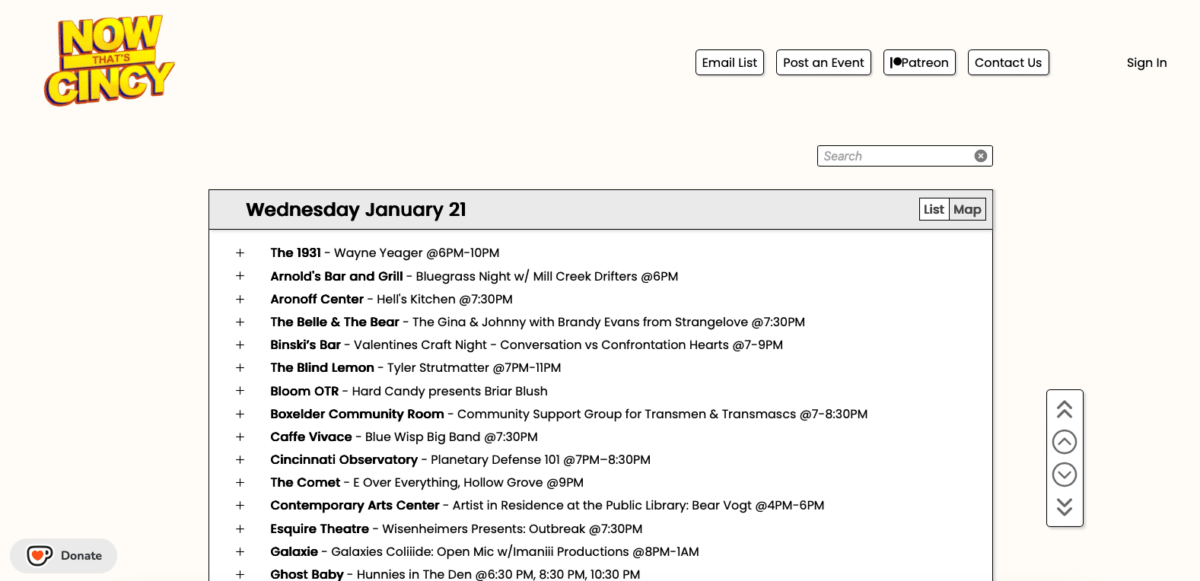
Another news venture is a website called Now That’s Cincy, which economically displays a wide span of upcoming cultural events in the city in a chronological and alphabetized list. Choosing to order the events in this way flouts the “most relevant” at the top approach that algorithms tend to favor. The inclusions on the list span local music venues, clubs, library events, symphony concerts, film screenings, art exhibitions, and beyond. Clicking on an event displays posters and any other pertinent details. Anyone can submit to have their event included on Now That’s Cincy, and users can choose to have a daily email digest sent to their inbox with the day’s events. The democratizing aspects of Now That’s Cincy resist social media’s prioritization of corporate interests while scrolling a feed and provides an accessible space where happenings in the city can be available to anyone with the link to the website. No bit of news is favored over another, and no news is lost in the shuffle.
While my choices as an individual to abstain from social media and seek out music news in alternative ways is powerful in its own right, and would be increasingly powerful the more other people join in, the local and larger music organizations need to make the change as well. If you own a record shop or label and don’t already have an email newsletter, make one (or go one step further, make a zine). If your town or city doesn’t have a local music news site (or you want to improve upon the ones that do exist), make one. For existing music publications, make less social media posts and direct readers to your emails, physical mailings, and news roundups you may provide. For music listeners, subscribe to newsletters you like, and choose any magazines you can afford to subscribe to as well. Donate to free music news sources if you are able. Even though cutting off that last tether with Instagram was intimidating, it was so worth it. And while it’ll take work to adjust, it is possible in community.
– Hannah Blanchette
January 21, 2026 | Blog