The Uncanny as the Norm on Oneohtrix Point Never’s ‘Tranquilizer’
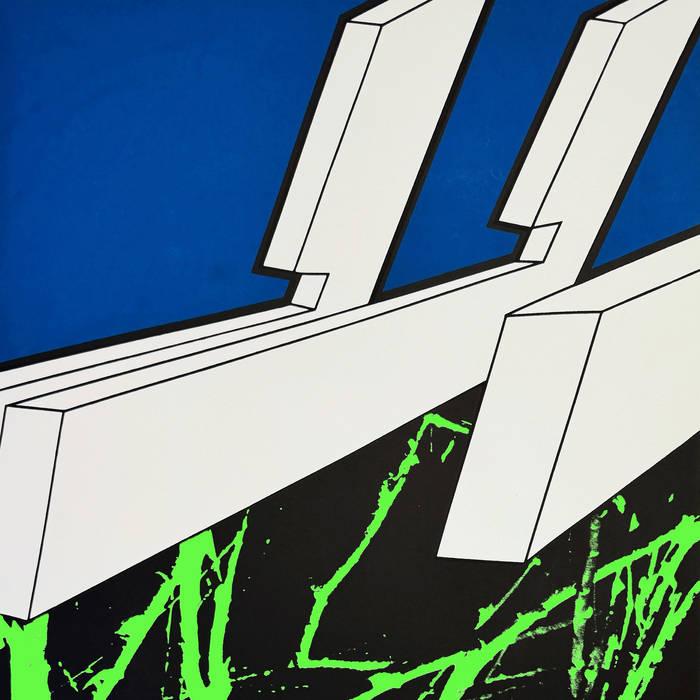
There are few musicians whose work beguiles me the way Oneohtrix Point Never’s does — it’s music that places me in suspended animation between the past and the present, hovering between that which I swear I’ve heard before and the unfamiliar. It’s this in-between state of OPN’s music that situates it within the uncanny, and his new album, Tranquilizer, is no exception. Tranquilizer, maybe more than any other OPN record, captures how the uncanny has become the norm in digital society. Pieces of history emerge and disappear across the Internet like specters and social media feeds thrust snippets of information rapid-fire in front of your eyes, leaving your focus as quickly as they came. We constantly linger in this uncanny realm between one piece of information and the next. Tranquilizer actualizes this experience in musical form, relying on resurfaced, forgotten music to soundtrack our skittering, modern existence.
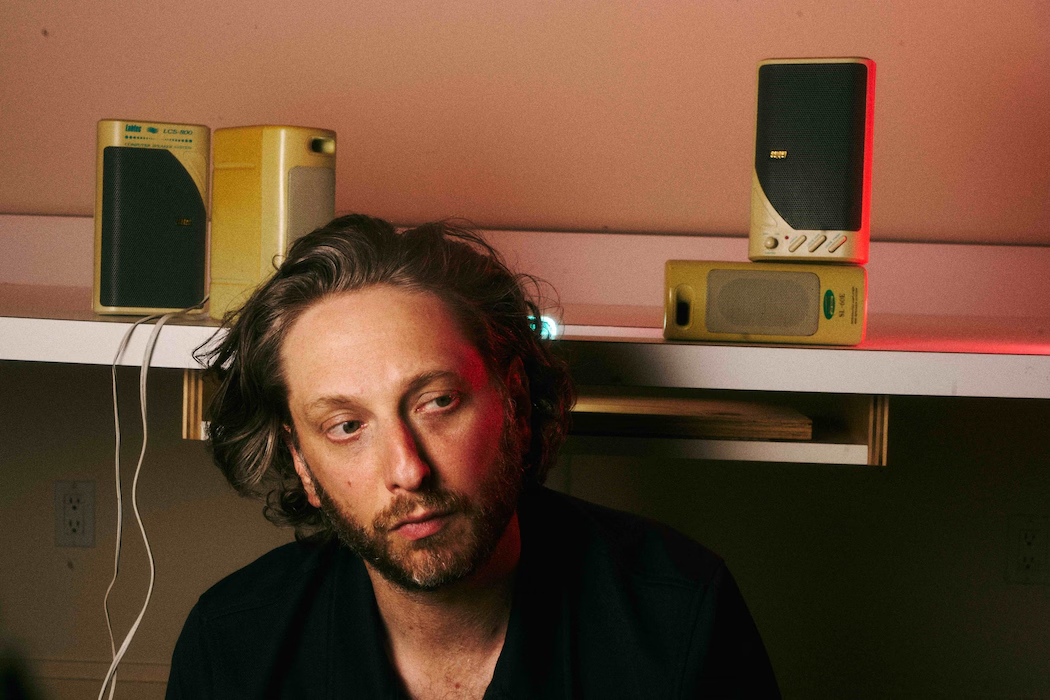
Daniel Lopatin, the electronic musician behind Oneohtrix Point Never, crafted Tranquilizer out of ripped CDs of sample music from the 1990s, having the fragments jut in and out of the texture like shards of memory flashing through your mind. Lopatin picked this approach for the record to comment on the impermanence of the Internet as archive. During the coronavirus pandemic, Lopatin stumbled across these sample CDs on the Internet Archive, the famed digital repository of everything from old webpages to full scans of books. When Lopatin returned to download the files later, they were gone. Resigned to never encountering the sample CDs again, Lopatin moved on to other musical sources for years. After the release of his last album, Again (2023), the files reemerged. He described his experience of rediscovering them to Joshua Minsoo Kim for his newsletter, Tone Glow: “It occurred to me that even that — the disappearing and resurfacing — was something I wanted to capture. I wanted to capture the emotional register of an era where everything is archived but perpetually slipping away.”
The idea of the archive, especially the archive in the digital age, was a fixation for Lopatin during the creation of Tranquilizer. Lopatin also talked with Kim about how we tend to rely on digital archives as these permanent spaces, but that these notions are frequently subverted when things “flicker away,” like the sample CDs. However, Lopatin doesn’t necessarily find this ephemerality to be a negative sensation. He said, “That entire life—of something glowing and coming to life, of receding and coming back—is just so beautiful. This isn’t some sort of myth about a lost past, it’s this idea that you can’t separate these samples from their history and purpose in society and from their enclosure or armature, which is the archive.” I agree with Lopatin that there is a tenacity to how certain objects will find a way to be preserved in online spaces one way or another, as if an object insists upon its importance and relevance to the human story. It is fascinating how sample CDs are some of those persistent objects, music that was perhaps intended to be forgotten and swept away with time. But it is the very banality of this music that makes it worth preserving, as the banal can sometimes best encapsulate the everyday, permeating sounds soundtracking a segment within human history. This concept of the banal even comes up in Lopatin’s interview, where he states, “If there were a Ten Commandments of OPN, one would be ‘Thou Shalt Not Exclude the Ugly and Banal.’”
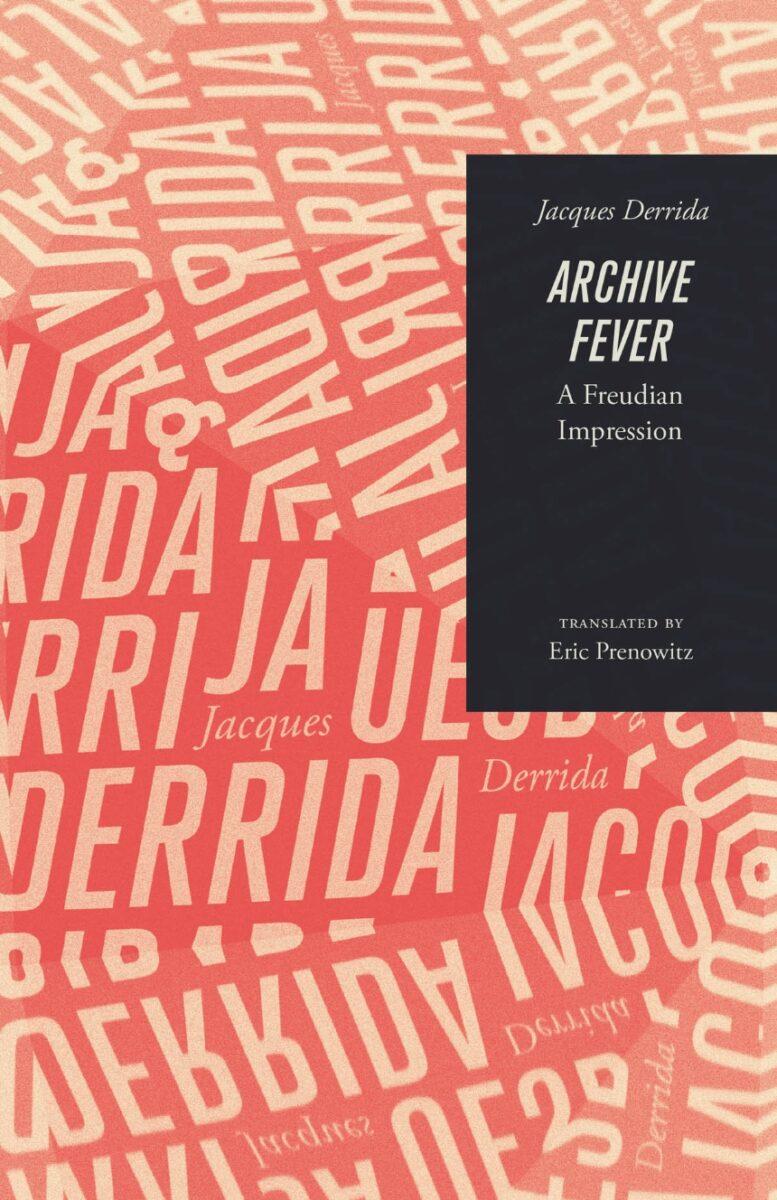
That point segues into the other angle of archives that Lopatin explores with Tranquilizer. Lopatin references the philosopher Jacques Derrida’s Archive Fever (1996), which considers how an archive is understood equally by what is not included as what is. Sample CDs maybe aren’t the primary candidates for traditional archiving when surveyed amongst all music, and their exclusion in this way says much about how we prescribe value to certain styles of music (something I could probably write a whole other blog about). Lopatin’s reliance on these CDs and his ascription of value to them as something worth being preserved flips these notions around. Although, even within his own work, there is curation of his archive. He stated to Kim, “We’re not trying to filter everybody and have them listen to wallpaper; a lot of it was about finding and respecting the excellence of this muzak. Like, this has soul, it has a spirit to it that is excellent, and let’s amplify it. A lot of the stuff that wasn’t included was stuff that was just dorky.”
From Lopatin’s interview with Kim, I gained the sense that Tranquilizer was a record about understanding impermanence and embracing the banal. And while I also register these meanings while I listen to Tranquilizer, there is this third element of the uncanny that settles within me as well. Philosophers and psychoanalysts such as Freud and Lacan grappled with defining the uncanny, but a general consensus has landed on the uncanny as the unsettling feeling one experiences towards something familiar within an unfamiliar context, especially when that familiarity is hard to determine. Lopatin’s source material for Tranquilizer are these fragments of sample music emblematic of the 1990s, but they are recontextualized through chopping, splitting, and altering the sources, creating something familiar but also just out of reach. Identifiable and yet completely unknown at the same time.
Lopatin discusses musical anonymity in his interview with Kim, stating, “…We’re entering into a time when authorship is being deeply questioned and contested. There’s a lot of arrogance in Silicon Valley about how little we need art or individualism.” He continues on later when talking about the sample CDs: “All of this was made by people with personalities who were given a directive to have less personality, or maybe they were trying to have their peacock feathers shown. It has all that variety and entropy and chaos.” Lopatin makes a great point about how the authorship of these musicians on the sample CDs was subjugated, but how they still tried to assert their own identities in their compositions. I believe the anonymity of the musicians behind Lopatin’s source material contributes to the uncanny quality of Tranquilizer, and speaks to a larger uncanniness that is creeping into digital society as the norm. Increasingly, we are bombarded by information with no face, no author, no identity, whether it be the inescapable AI overviews at the top of a Google search or the quick scroll through a feed in which the authorship of the content is secondary to the brief flash of information the media provided. Tranquilizer can feel like a musical embodiment of that experience, like on “Lifeworld,” “Fear of Symmetry,” or “Vestigel,” the vaguely recognizable splinters of music cutting in and disappearing like your thumb simply swiped it away.
At the same time, Tranquilizer manages to make sense of the fragments, piecing them together like a mosaic so each moment coalesces in a way that makes the sensation of digital overload feel like art. It’s a fantasia of the digital age dream, wherein our brains really can process all of these high loads of information and transcribe them into meaning in the blink of an eye. The key is, however, that it didn’t happen in the blink of eye. Lopatin took time and care to curate, cut up, and arrange these moments, taking deliberate action to preserve these specific musical fragments from the 1990s sample CDs, and transform them for reincarnation. The archive is alive, but its changing. The information we receive is rapid, yet its fleeting. There is so much we know, however it’s unrecognizable.
– Hannah Blanchette
December 12, 2025 | Blog