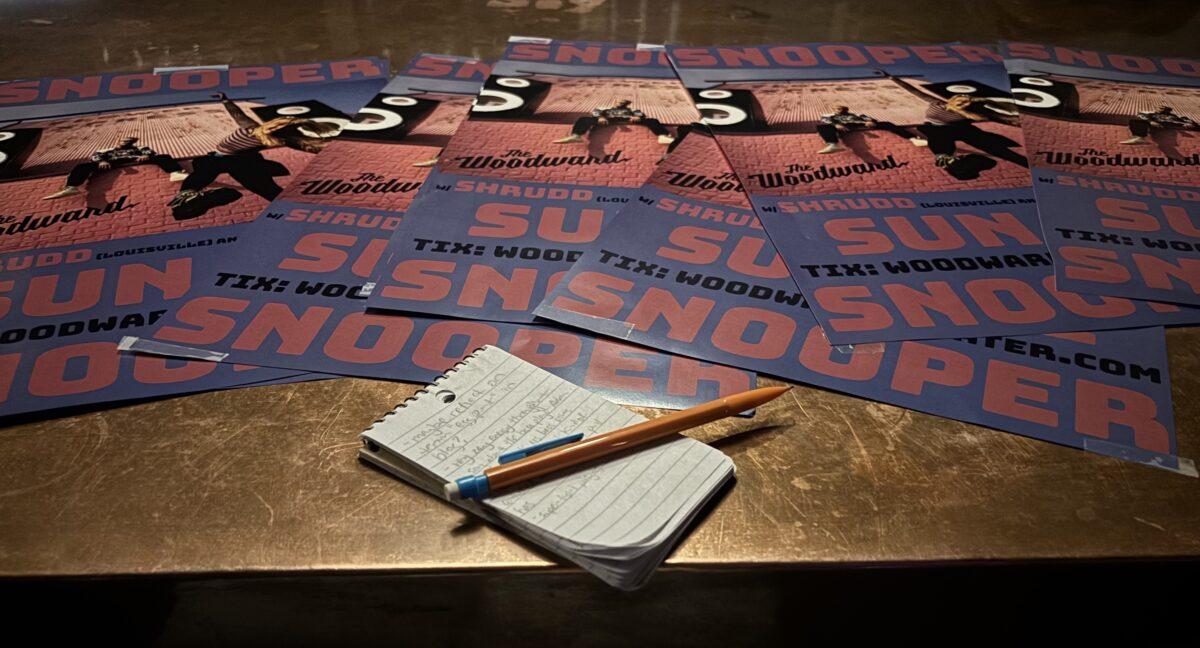
Akron Is Alive and Well in Cincinnati: Snõõper at the Woodward Theater, March 1, 2026
Several years ago now, I scanned this little headline from a seventies Sounds magazine at the shop that read, “You don’t have to be from Akron to be avant-garde,” which I found incredibly amusing. I actually can’t remember what that article was referring to, but I do know that one of the first bands who come to mind when I think of Akron is Devo. During the first set at the Woodward Theater last week while they hosted punk bands Snõõper, Shrudd, and PAL, I had this phrase flash through my consciousness as I witnessed Devo’s legacy in full action — jumpsuits, angular synths and guitars, oblique lyrics and all: Akron is alive and well in Cincinnati. I could see how the zany punk that emerged out of that city bled over throughout the Midwest and settled down in the Woodward Theater at least for one night. The term “egg punk” has circulated around the Internet and music journalism for many years now to refer to contemporary bands impacted by groups like Devo, often with ties to the Midwest and sharing in the same reverence for the abstract, the surreal, and the quirky, all filtered through a lens of synth-infused, post-punk angularity.

Over the course of the evening, each band kept getting one more step removed from bands like Devo, each one becoming increasingly morphed from that vision. The first band, PAL out of Cleveland, was the band that most resembled the Akron legacy. Once the lead singer and synth player removed her Dave and Buster’s jersey and neon orange beanie, the group donned the classic, drab jumpsuit-and-sunglasses uniform, often remaining comically stoic outside of their abrupt, coordinated jerks of movement such as turning their heads to one another or hopping in the air. Musically, they were the closest to old-school weirdo post-punk as well. Their minimal instrumentation of one synth, one guitar, one bass, and drums allowed the space for sparse synths parts, bendy bass lines, and spiky guitar riffs that jutted out in every direction. Each part was tightly wrangled in, but also felt bizarre and unpredictable. PAL perfectly captured that special flavor of controlled chaos that is so distinctive to art punk.
Where PAL put forth a minimal set up, Shrudd brought heaviness and distortion. The Louisville band’s set began with a nonsensical electronic message repeating over the PA, as if transmitting from another galaxy, before erupting into a barrage of wound-up, blistering punk. Shrudd’s lead singer gave off an aura akin to a British mod punk, along the lines of The Jam or Buzzcocks. On the other hand, the band’s synth player, positioned center stage, donned big, thick-rimmed glasses and helped contribute an offbeat, disquieting element by continually making sustained, yet erratic eye contact with the crowd or by meandering restlessly around the stage. They mastered that slightly uncanny, uneasy quality of the absurd without making it seemed forced or like a gimmick. Shrudd combined that same style of jagged post-punk riffs found in most egg punk with the heaviness of classic punk, resulting in a completely unhinged ride.
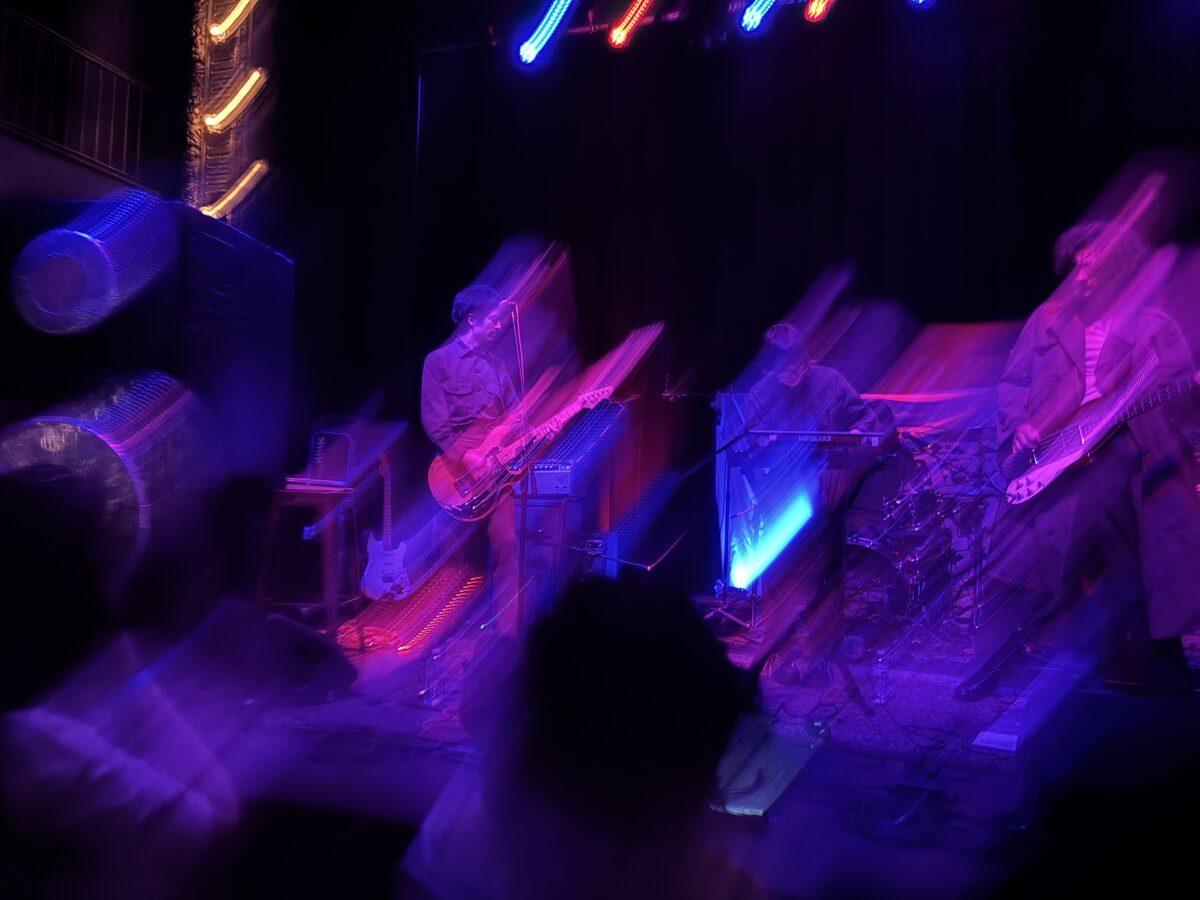
In between Shrudd and Snõõper’s sets, a pair of concert attendees flagged me down to take their photograph. The person handed me a Canon film camera that seemed like a model in between disposable and high-end. I became all too aware of how long it had been since I’d worked a disposable camera like the Kodak Fun Savers that accompanied childhood camping trips, birthday parties, and ceremonies. But the part that piqued my interest and caused me to actually jot down this interaction was after I took the photo with the Canon — the other person of the pair then handed me her iPhone and asked if I could also take a photo with the phone. Of course I obliged, but my head whirred with how fascinating of a time we live in, that we have the flexibility to both indulge in nostalgia and enjoy convenience. The whole interaction was like a symbol of the evening, of a genre like egg punk, a type of music that is largely indebted to a specific style of punk that emerged in the past, but that has been reworked and paid homage to in the present.
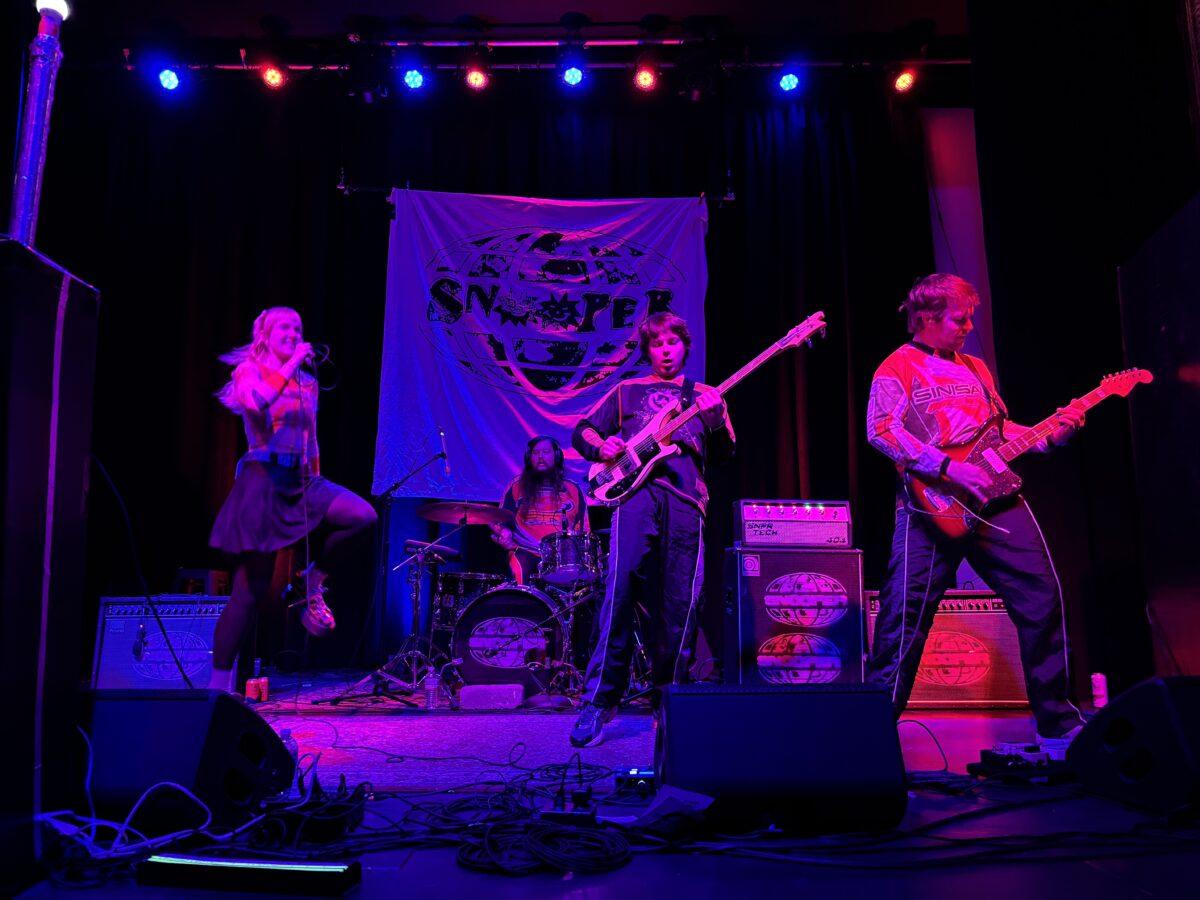
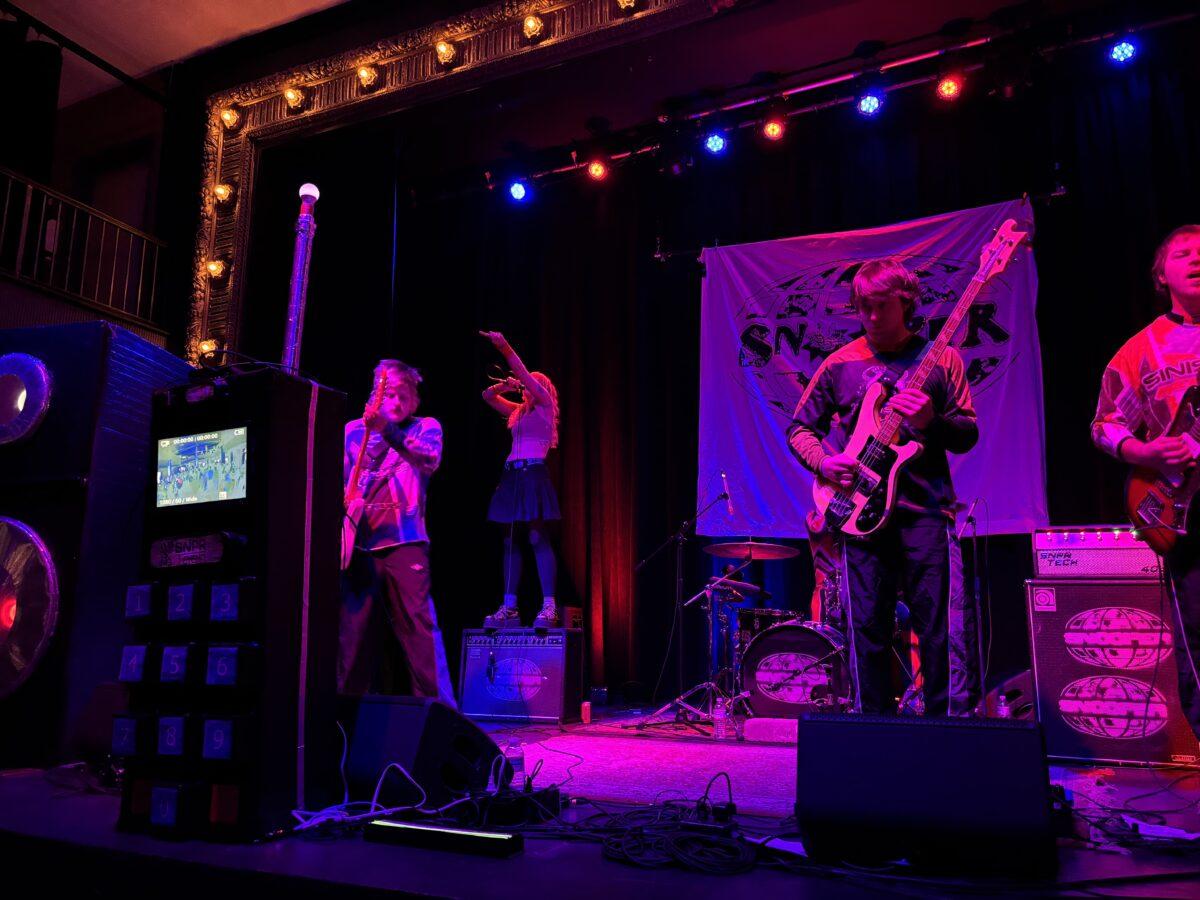
As I wrote this piece, I noticed a stark contrast in the quality of my handwriting when I got to my notes on Snõõper. Up until that point in the show, I had been haphazardly scribbling any thoughts I had in the moment, dodging the pit because I knew if I got thrown around, the pencil in my breast pocket would go straight for my jugular. But Snõõper’s set was so deranged, so high energy, so off the walls that I didn’t have a second to jot down one thing. I had to wait until I was settled into the privacy of my own home, notebook firmly on the table, to finally dump my observations in my fine penmanship. The Nashville punks snapped forwards into the set from the first second as if a spring was finally let loose, each member donning bright neon-accented outfits that were like a punk NASCAR. This was in stark contrast to Shrudd and PAL, each of those bands opting for the more utilitarian jumpsuit style. Where the other bands often practiced robotic restraint, Snõõper burst forth with restlessness and chaos, with lead vocalist Blair Tramel zipping around with bubbly effervescence. She launched herself from one area to the next with such velocity I could rarely snap a picture of her fast enough to catch her in a single spot — within one or two songs, she would span crouching on the amp, laying down, diving into the pit, or perching along the stage’s edge. This verve from the band was unsurprising, as their newest record Worldwide (2025) is an absolute blitz of synth-punk mayhem that blazes past you in under thirty minutes. The band matched that feeling live, where my brain could barely keep up as each song crashed through in a frenzy, pure atomic shreds and sparks from start to finish. And just when I thought I’d maybe caught up, I am compelled to turn and am immediately faced with the giant green Super Snooper mascot, a whimsical puppet operated by Tramel who often makes the rounds in the crowd by the end of a set. My diminutive size in comparison to the massive creature had no choice but to shuffle away in a little dance as Super Snooper headed for the pit.
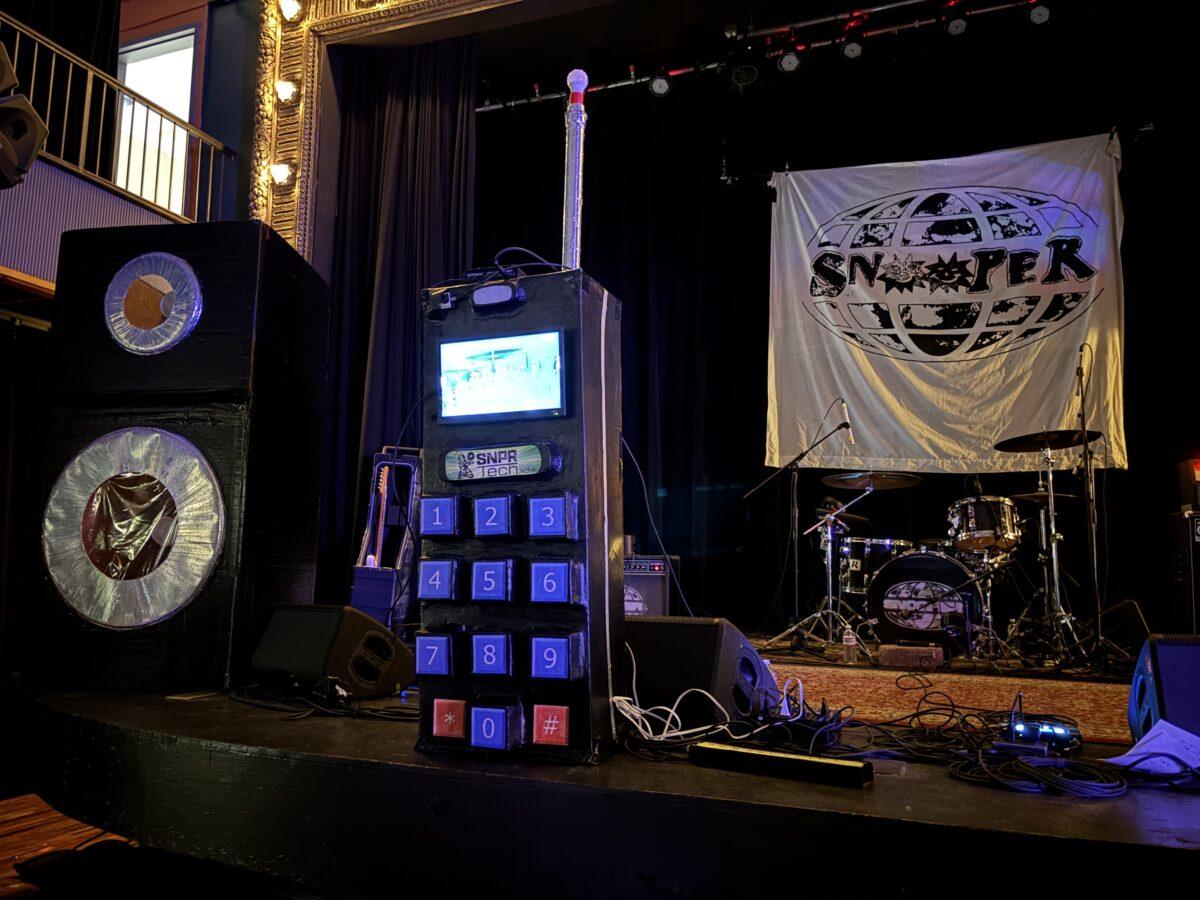
Another one of the other papier-mâché props that evening was a larger-than-life-size phone constructed in a style similar to a cell phone from the nineties. Branded as SNPR Tech, the phone featured a built-in screen that displayed a live feed of the crowd right back at them, presenting this self-aware surveillance of the audience — you can not only watch the band on the stage, you can view yourself. You perform as much as the musicians do. Snõõper’s lyrics on Worldwide frequently allude to modern digital life, from home surveillance paranoia via Ring cameras to track titles like “Opt Out,” “Hologram,” and “Star 6 9” that suggest communication technology past, present, and future. The SNPR Tech phone represented this blurring of the nostalgic and the futuristic, like that moment I snapped one photo on a Canon film camera and a duplicate on an iPhone. The different points on the timeline have never been so commingled, made clear during this evening in which film cameras and a papier-mâché simulacrum of an outdated cell phone were jumbled in with self-surveillance and smartphones, all filtered through three bands that are emblematic of a punk subgenre that celebrates the past while venturing into the absurdity of the future.
– Hannah Blanchette
March 11, 2026 | Blog