From the Quotidian to the Aflame: Watching ‘Squaring the Circle: The Story of Hipgnosis’
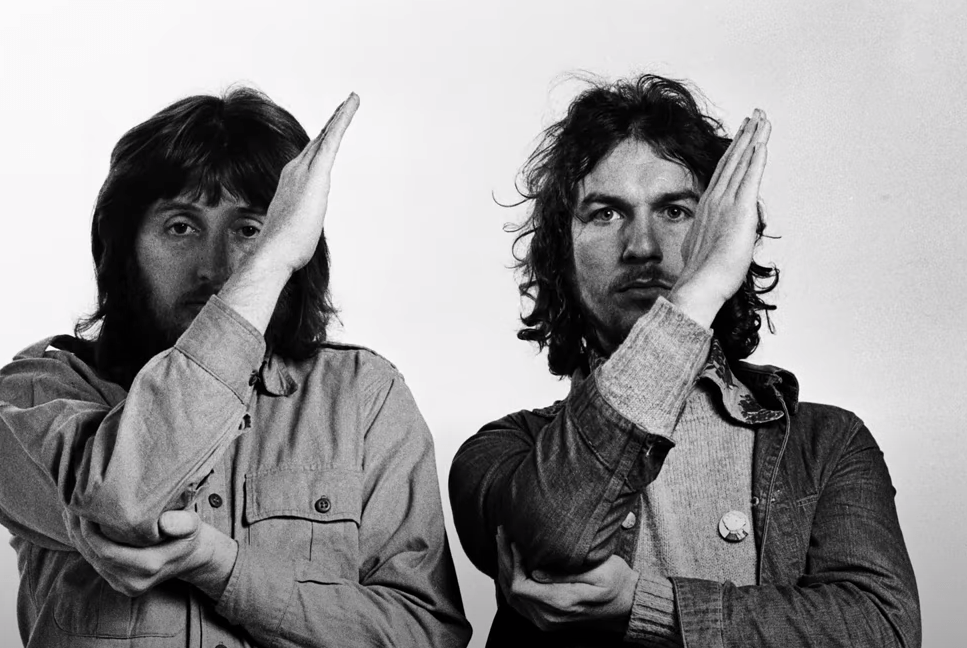
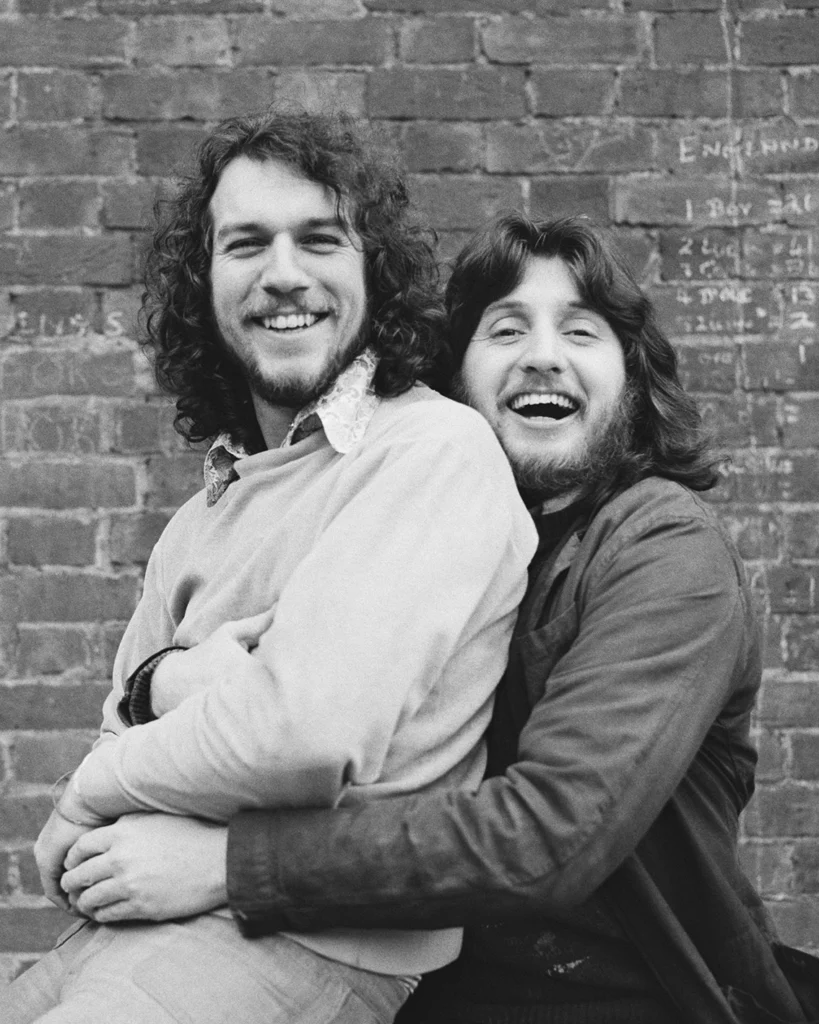
I’ve had the documentary, Squaring the Circle: The Story of Hipgnosis hanging around in my watchlist for years, primarily waiting for the film to appear on a streaming service or as a DVD at the library. Released in 2022, I finally stumbled across the documentary a couple weeks ago on Kanopy, the library-based streaming service. The documentary by Anton Corbijn follows the story of the highly impactful album cover design studio, Hipgnosis, who were behind some of the most iconic covers of the seventies, ranging from Dark Side of the Moon to Band on the Run. Moving chronologically through the lens of their many album cover projects, the film highlights the care, detail, and outrageous stories of the artistic work done by Storm Thorgerson and Aubrey “Po” Powell. Hipgnosis developed out of the London artistic circle swirling around the early days of Pink Floyd, LSD, and space rock in the late sixties. Thorgerson and Powell were both individuals who somewhat stumbled in album art design, drawn into the creatively fertile environment surrounding them.
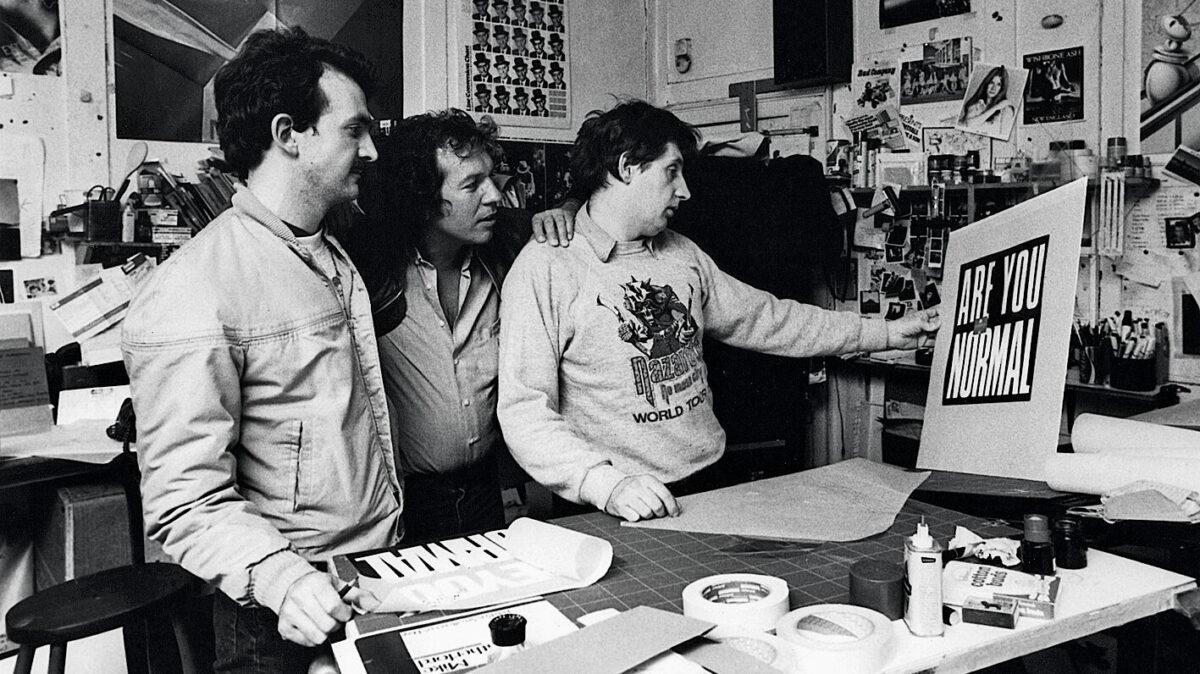
Peppered throughout the documentary were sentiments regarding the current music industry and its devaluing of album art, especially in the digital age, which I certainly have observed over time as well. However, I sometimes find the sentiment a tad reductive, as I continue to encounter stunning album artwork to this day, and I don’t wish to pursue that angle in my response to the documentary here as it wasn’t the aspect of Thorgerson and Powell’s business that I was drawn to the most. What I found compelling was Hipgnosis’ ingenuity and their ability to strike inspiration from the mundane all from keeping their eyes open. In an age of constant distraction and information overload, it becomes all too easy to breeze past the little things that may serve up the exact inspiration you need.
One of the stories that most struck me was the genesis of the legendary Dark Side of the Moon album design. Hipgnosis drew the inspiration for the cover’s minimal triangle refracting light, a symbol now synonymous with Pink Floyd, from a prism in a textbook. Throughout the documentary, Powell or Thorgerson (through archival footage) would often speak about casually flipping through books or noticing designs in their everyday passings that would consequently spark a concept as iconic as Dark Side of the Moon, for example. The pair seemed to approach life with the mindset that anything could be inspirational, including the quotidian. This sort of creativity is something I find inspiring and potentially radical today. Too often now, we have the ability to have every spare moment filled and every boredom diverted, the mundanity of existence relegated to the margins instead of allowing its presence as essential to the creative process.
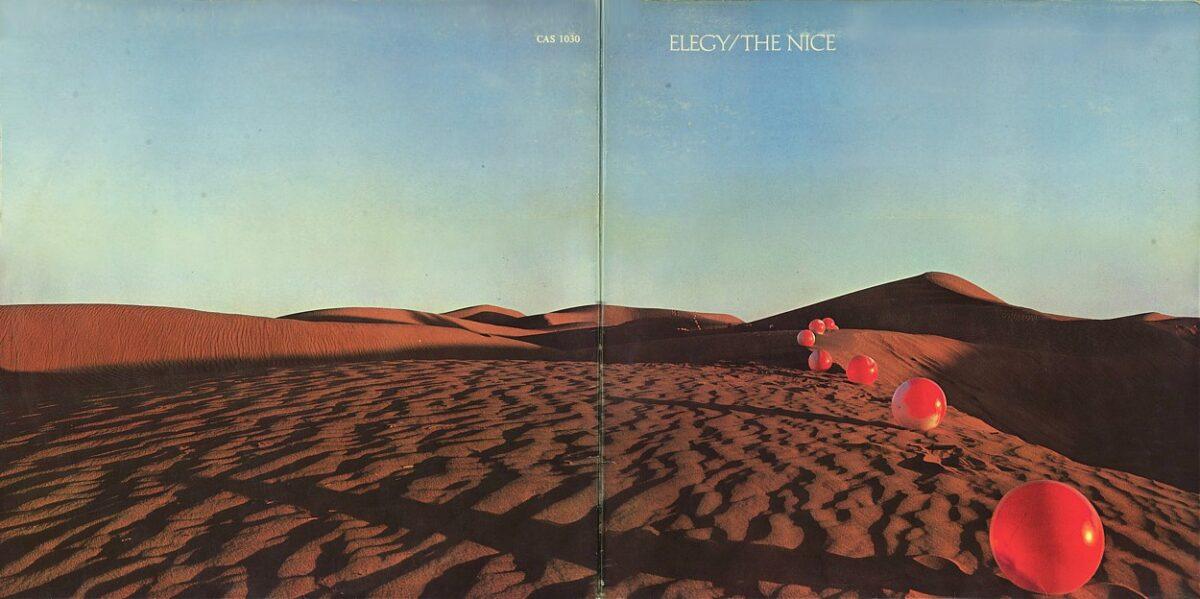
Another aspect of Squaring the Circle that I gravitated towards was how Hipgnosis confronted artistic challenges head on, allowing those hurdles to shape their art. Powell describes the painstaking effort that went into inflating and setting the orbs across the desert for The Nice’s Elegy or the unexpected disruptions and creative detours throughout the process of shooting Led Zeppelin’s Houses of the Holy. And of course there was no greater dedication to their vision than hiring a stunt man to actually be aflame for the austere business transaction gracing the cover of Floyd’s Wish You Were Here. It is all too tempting today to sidestep challenges like these with digital interventions or simply easier alternatives, but even in the seventies, the labels were frequently attempting to convince Hipgnosis to shoot their covers in a studio, or dial back their vision in some manner. Thorgerson and Powell didn’t allow the inherent difficulties to their artistic direction sway them towards simpler paths, because they fundamentally understood that those obstacles are essential to making the most impactful art. Societal developments in the decades since, across all walks of life, are constantly trying to erase challenges, provide hacks, and make every task achievable through the path of least resistance. Hipgnosis’ confrontation of these difficulties reminds any creative person today that not only confronting artistic problems, but embracing them as part of the process, makes for better art.

As the documentary progressed, I found myself compulsively grabbing their album designs off my shelf as I watched, hungry to experience their art in my own two hands, with all the elaborate detail right in front of me. I had to feel Peter Gabriel’s fingers scraping down the sleeve and stare with incredulity at the conflagrant man gracing the cover of Wish You Were Here. The Floyd and Zeppelin on my shelves is primarily passed down from my father’s collection, whereas the Gabriel were my additions, and I imagined my dad doing the same with each cover. Hipgnosis flowed through more of my collection than I realized, and there was something visceral about wanting to hold their art and experience it in a way that crawled out of my television screen into my living room. I kept pausing, grabbing a record, rewinding, following along to the stories, pulling out the inners, wanting to play the albums, rewinding again. Album design is a living, breathing art, wedged into crevices of bins and shelves inside millions of homes. Oasis’ Noel Gallagher affectionally stated in the documentary, “What I love about vinyl is the artwork is the poor man’s art collection.” And while Gallagher’s sentiment certainly resonates with me, I also find that I am much the richer for the art filed away on my shelves, anxiously anticipating the moments it can be on display as I spin a record. As much as I enjoyed Squaring the Circle, I couldn’t help but find myself distracted by its own subject matter. I constantly wanted to switch the television off and put the turntable on. But that is the point of Hipgnosis, of album art — to draw you in magnetically by the cover to want to know what is inside.
– Hannah Blanchette
May 20, 2026 | Blog