What Process Music Teaches About Time and Transparency
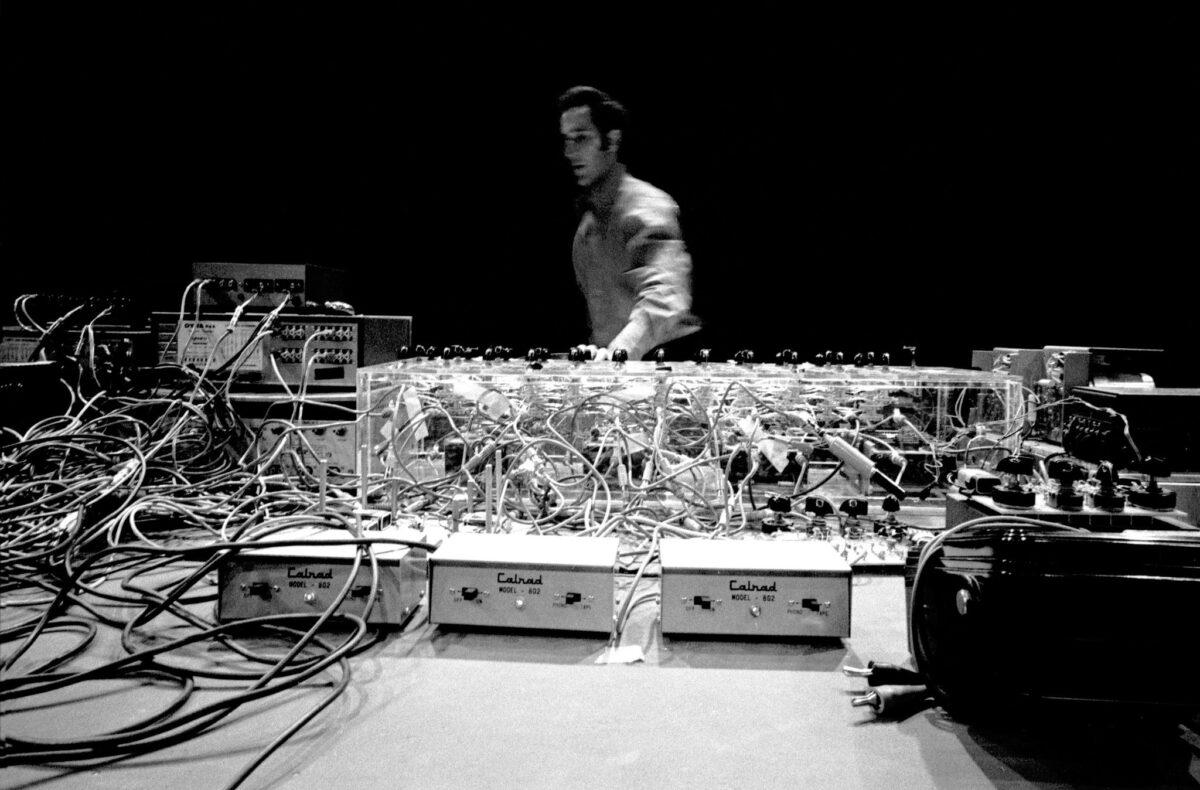
Several months ago now, Nonesuch released an immense CD boxset of Steve Reich’s Collected Works, spanning his early phase pieces like Come Out, his popular Music for 18 Musicians, and the renowned Different Trains. I put in a pin in this announcement to think about later, as I was excited about the prospect of reflecting on the career of Steve Reich at some point, although I wasn’t yet sure what to say. All I can recall thinking was how glad I was the works were released on CD. I’ve always felt grateful that I stumbled upon a CD copy of Music for 18 Musicians because I love the uninterrupted experience that listening on CD provides, versus the unnatural break necessary on vinyl versions. I can immerse myself in the process of his music completely unfettered.
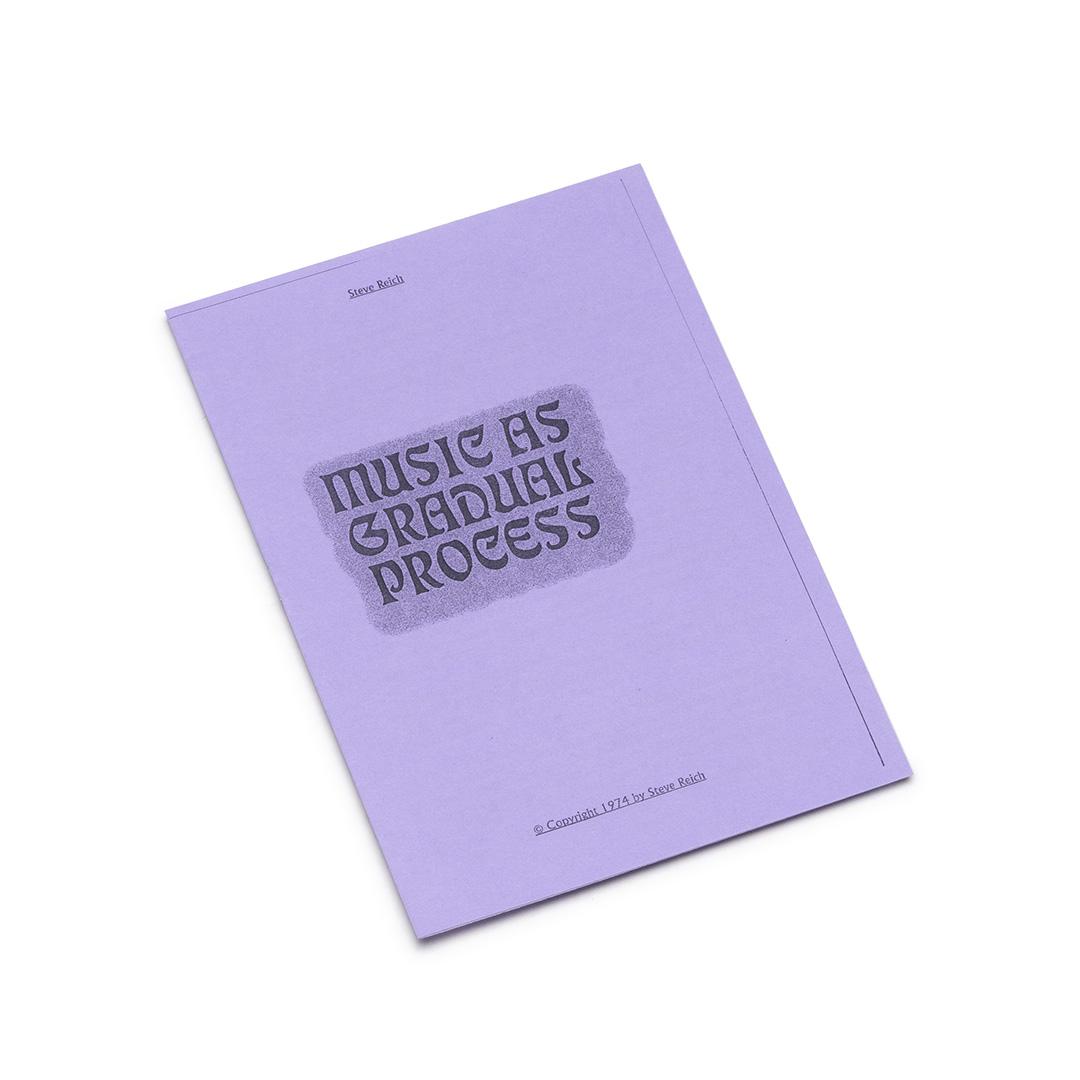
In listening to Music for 18 Musicians, you can hear the musical transformations in real time, little shifts occurring gradually and rarely veering into any sharp changes. Even though Music for 18 Musicians isn’t exactly a process piece, I believe it bears resemblance in how it was composed, the subtle changes in instrumentation and motifs resembling how Reich’s phases functioned. In pieces such as Piano Phase, the music so incrementally develops that you hear every little moment of getting from point A to B, often so slowly that the changes are like natural evolutions instead of stark contrasts. Once the piece starts over, it’s like you’ve traveled a million miles away. Listening to process music, compositions like Reich’s that are, as he defines, “pieces of music that are, literally, processes. The distinctive thing about musical processes is that they determine all the note-to-note (sound-to-sound) details and the overall form simultaneously,” requires incredible patience and lucidity. Regrettably, these are attributes that I am often hard pressed to experience frequently and at the same time. When I do, I find that the experience of tuning into a longform process piece and submitting myself to its unrelenting mission is incredibly rewarding. Allowing myself to be carried away by a process piece shows me the value of yielding time, relinquishing control, and trusting the little moments will amount to something bigger.
Michael Nyman studies the origins and characteristics of process music in his 1974 book (with a second edition from 1999), Experimental Music: Cage and Beyond. Process music is often associated with minimalism, and Nyman looks specifically at figures such as Steve Reich, Philip Glass, Terry Riley, and La Monte Young. Nyman views process music as an extreme reaction in response to indeterminate music associated with composers like John Cage. He wrote that process music, “not only cuts down the areas of sound-activity to an absolute (and absolutist) minimum, but submits the scrupulously selective, mainly tonal, material to most repetitive, highly disciplined procedures which are focused on extremely fine definition (though the listener’s focusing is not done for him).” In the next paragraph, Nyman draws a connection between process music and serialism, a twentieth century compositional movement championed by composers such as Arnold Schoenberg and Karlheinz Stockhausen, which proposed rigorously assigning each of the twelve notes of a scale to a particular order that must be followed throughout the piece of music. Total serialists would also apply strict orders to other aspects of musical composition, such as dynamics, articulation, and rhythm.
This transparency of process and serialism’s repetition is reflected later in the process music of minimalist composers. Nyman mentions how in Philip Glass’ music, it “grows in depth and complexity of texture, so the time taken for the sound organism to make itself felt is extended.” Time is as essential as transparency in the music of Reich and his contemporaries, as Nyman shares Reich’s parameters for process music: “Two things are important: first, that the process should be able to be heard as it is happening — Reich is not interested in ‘secrets of structure you can’t hear,’ such as the results of Cage’s chance processes which are used deliberately to obscure any perceptible organization. With Reich, as with Young, Riley and Glass, the process is used as the subject rather than the source of the music.” In essence, the process music of these composers make the process the point of the piece.
The embrace of time and the foregrounding of transparency in this music comes across as near countercultural while listening today. Not to say that process music wasn’t countercultural when the pieces were written — think of sitting still in downtown New York City in the seventies, letting yourself melt away hearing a Philip Glass work live, even though you know the entire city all around you is bustling all night, having to resist the temptation to leave and hop on the incoming train to the next event. But time moves just as quickly now, if not more so, and time travels fast in every corner. Scholars of the attention economy discuss how people are experiencing time stress, a phenomenon caused by not feeling like there is enough time in a day to consume all the information readily available. Allowing oneself the time to experience the full expanse of process music resists this time stress. It seems revolutionary to do so when your attention is constantly being dragged elsewhere. And I’ll admit that even I couldn’t find an allotted time to simply sit with a favorite process music piece again before writing this blog. Time is unforgiving, but I know that process music is there when I need to be reminded how worthwhile it is to set time (and its stresses) aside to focus on the passing of every moment in these pieces.
Process music’s transparency is another aspect of its mechanism that resonates so deeply today. Sometimes it feels like we live in one big, giant chance composition — Who knows what will pop up on my feed? Where exactly did this information come from? How does this system work behind the scenes? Although our feeds, information streams, and systems may seems like they appear by chance, they are actually highly calculated and I won’t sully the name of chance music by comparing them any further. But, the ways in which we receive and consume information these days are certainly (and purposefully) shrouded in mystery. Process music makes the process evident and obvious, exposing the underpinnings of how one note travels into the next. Nothing is obscured, hidden, or unclear. There is something transgressive about process music’s transparency in a time when a process is a hurdle to overcome to achieve a goal, to create a product to be sold. Like I stated earlier, for process music, the process is the point. Composers like Reich, Riley, Glass, and Young, along with many others, remind us of this crucial fact decades later. We all have to experience the process, and the time it takes is just as essential.
– Hannah Blanchette
July 28, 2025 | Blog