Unknown Spines 1: The Experimental Intermedia Foundation and XI Records
I am a record collector that tends to buy more than I can listen to sometimes, occasionally grabbing vinyl or CDs I am unfamiliar with simply to try later. As I browsed around my collection the other day, I realized that I have accumulated a lot of these mystery albums over the years. In particular, I wrote a blog entry last year about my chance to take home CDs from WGUC’s library before they made a move to a new studio, and I have yet to dive into a lot of those enigmatic experimental, modern composition, and classical CDs that I stumbled across. To remedy this, I developed an idea for a new periodic series for the blog that gives me an excuse to dive deeply into the unknown spines on my shelves, where each entry focuses on a record label based out of my own record collection, in which I research the label and record my experiences listening to some of their albums I’ve collected. My first choice was to explore the Experimental Intermedia Foundation and their XI label, which was one of the most intriguing labels I came across at WGUC. Each has a distinctive spine of a bright, solid color and block lettering, featuring offerings from esteemed twentieth-century experimental composers, such as Éliane Radigue, David Behrman, and Phill Niblock. While at WGUC, anytime my finger grazed across one of those characteristic spines, I took it off the shelf without even knowing the piece, as XI was one of the most offbeat record labels in their library.
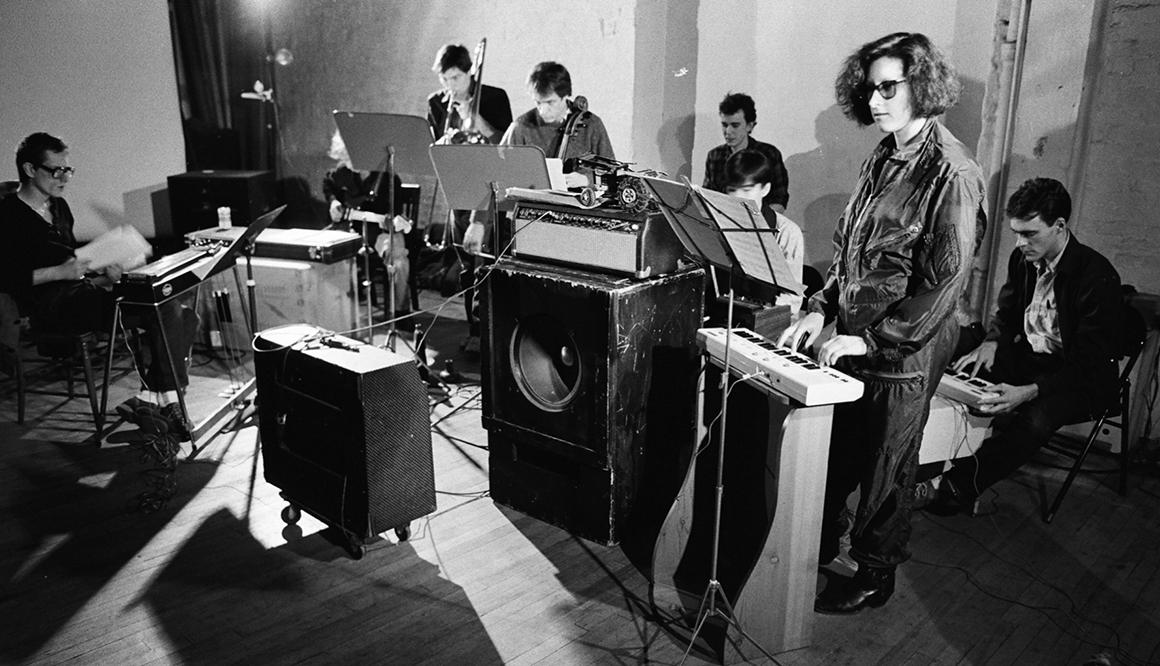
Although the Experimental Intermedia Foundation hosted its debut concert series in 1973 at what became its home base at the 224 Centre Street loft in Chinatown, the organization actually was founded by choreographer Elaine Summers in 1968. Summers, along with members of the Judson Dance Theater (who included Phill Niblock), established the group to help the organization receive funding from the National Endowment for the Arts (NEA) and the New York State Council on the Arts (NYSCA). EIF evolved by the mid-seventies into an organization that was an integral branch of the downtown music scene, championing intermedia, which Summers defined as “when you enter the image and get wrapped up in it. You become part of the image.” Niblock and composer Philip Corner were other crucial members of EIF during this time, putting on concerts in their signature loft space that provided a vast, open area with stellar acoustics, all creating an informal, domestic atmosphere. Performances at EIF always tied into three aesthetic principles, as noted by the DRAM Experimental Intermedia Archive — they foregrounded electronics, composers played an active role in the performance of their work, and the concerts formed community and nurtured creativity around up-and-coming and under-appreciated artists. EIF reached their highest number of performances in the eighties, a time period when there was ample funding for experimental music, and many of the artists who performed at the loft are also represented on the XI Records label, which was described by the organization as “a series of compact discs highlighting the music of contemporary artist/composers whose works are original and galvanizing. The intent of XI is to extend the experience of these engaging and pioneering works beyond the performance space into the home.”
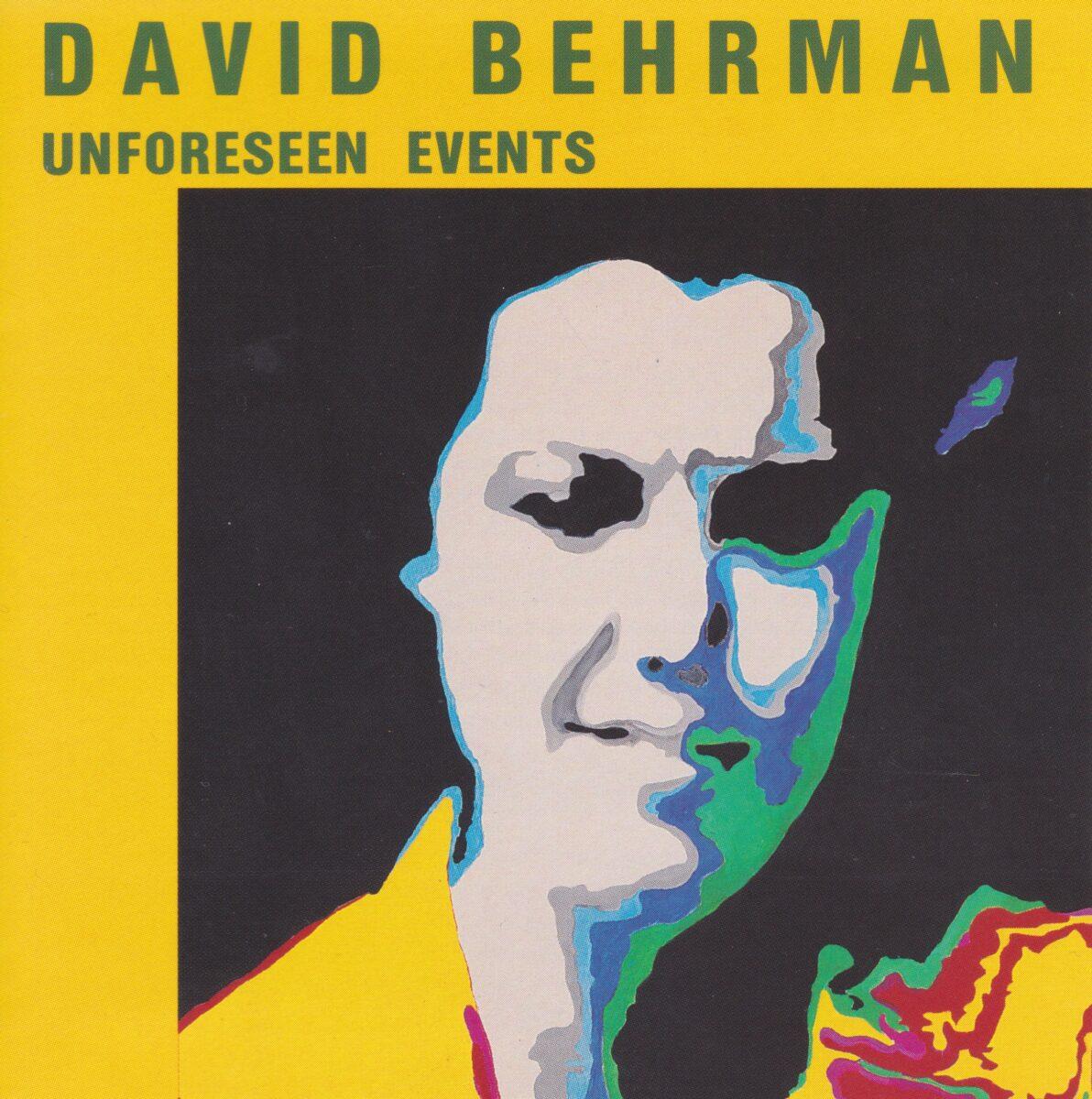
For the purposes of this blog, the two CDs I was most drawn to out of all the XI albums I discovered at WGUC were David Behrman’s Unforeseen Events (1991) and Éliane Radigue’s Kyema, Intermediate States (1988). Each XI release from this time period carries a cohesive, yet bold cover design style, making the XI titles jump out amidst the other modern comp and experimental CDs on my shelf. Behrman and Radigue’s CDs feature detailed liner notes that add context to the listening experiences of both albums, information that I likely would have gathered if I had been present at the Centre Street loft performances. For Behrman’s pieces, the liner notes described the mutantrumpet that was prominent on the piece, “Unforeseen Events”. The piece begins with the wobbly drone of the mutantrumpet, which the liner notes state, “combines three trumpets plus a slide, which makes the rapid change between a variety of sonorities possible, including glissandi and microtones.” They go on to state that Behrman himself developed a program that allowed performer Ben Neill to engage with computers in his performance. The result was a woozy, mesmerizing piece, with a first movement titled, “View Finder” that felt like music to look off into the distance too, like watching desert heat quiver above a stretch of highway. Unforeseen Events reminded me heavily of Oneohtrix Point Never’s work, especially his most recent release, Tranquilizer. The synth hits included in Unforeseen Events shared timbral and harmonic qualities with Tranquilizer, and are likely reflective of Behrman sharing similar synthesizer patches and musical language to the 1990s CD sample packs that OPN drew from when composing Tranquilizer.
Peppered throughout the album was this sense of merging human art form with computer intervention, from the computer interaction with the mutantrumpet to the cover art, which is a hybrid computer painting by Anne Tardos. Tardos’ art practice consisted of this cycle of analog and computerized art practices. The liner notes outlined her process as “painting by entering images from life or photographs into a computer via video camera and digitizer, composing the images on the computer, taking slides of the monitor screen, projecting the slides onto canvases, drawing the images, and then painting them in acrylic while continually modifying the image.” I admire the methods through which early computer artists, like Tardos and Behrman as well, positioned themselves as collaborative equals with the computer, putting the whole of their creative self into the project while using the computer as a colleague in that endeavor.
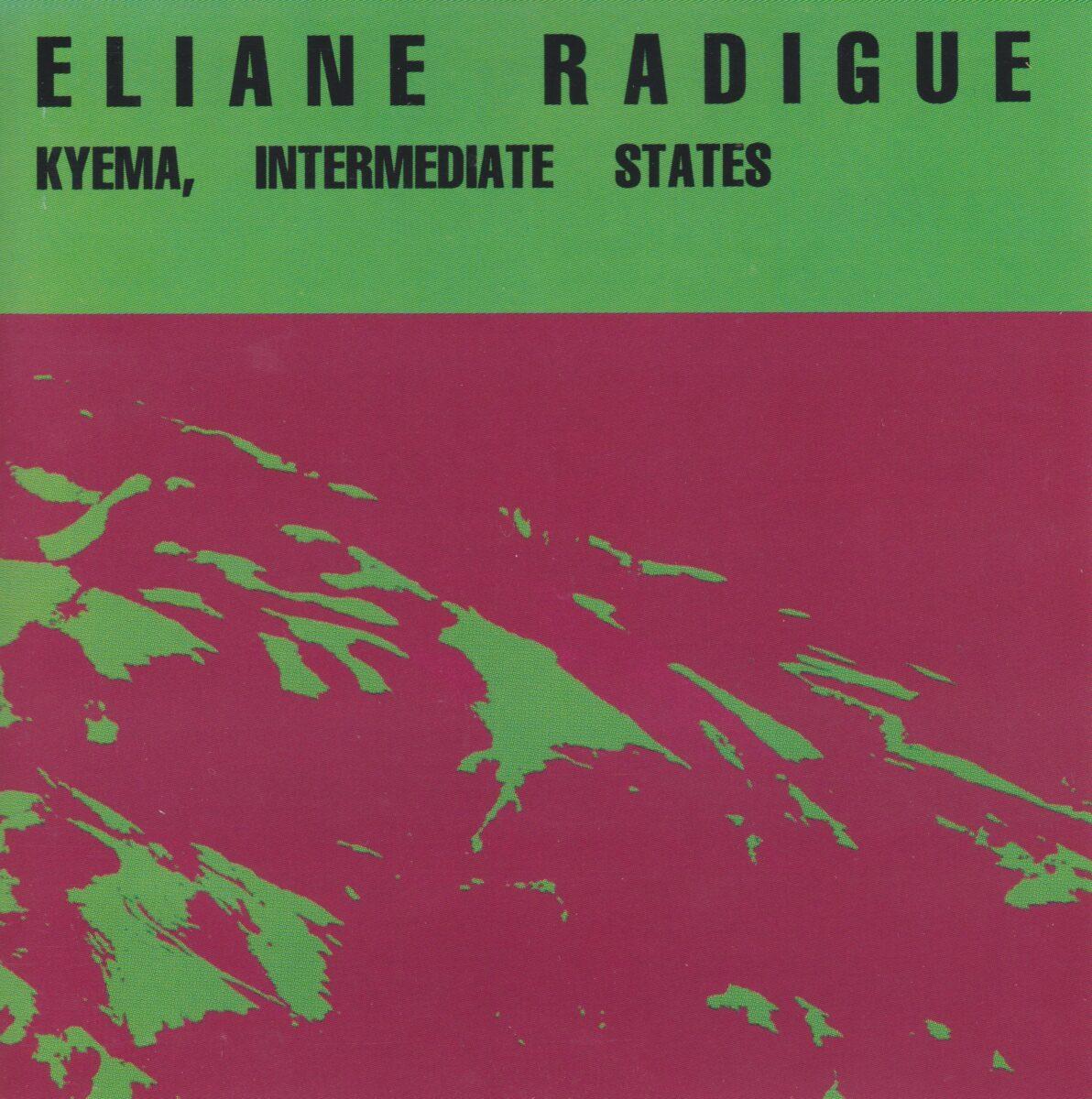
Éliane Radigue’s release, Kyema, Intermediate States, offered the type of meditative, electronic drone that is characteristic of Radigue’s work, while reminding me why I always return to drone music. Sometimes, I do wonder what is compelling to me about sitting back and listening to one, extended tone, especially if I’m not necessarily using it for meditative purposes, but simply out of musical curiosity. With Kyema, I was carried away by the intricacies of what drone music can do, the subtle or overt shifts that make drone more than simply listening to one tone. Kyema begins with a wavering, unstable drone, a tone that is unsettled in where it lays. A pulse charges through that drone, increasing the frequency of its thrumming as time progresses. Eventually, the unison drone bleeds into octaves, before a powerful low-frequency tone emerges in the texture around the six-minute mark, an ominous presence that confirms the instability of the initial drone. The high frequencies fade as the low drone stakes its claim, and then the pitch shifts, a change so cherished it felt ethereal. This moment was when I realized why I love drone — that anticipation you experience while listening, which you don’t realize you’re feeling until something wonderful happens.
Outside of the musical experiences of this “unknown spines” experiment of mine, intentionally taking time to become more acquainted with my record collection was the most transformative aspect of this idea. I am a creature of habit that gravitates towards playing my same old favorites from my collection again and again, while the capricious part of my spirit loves to buy curious-looking albums at the record store. Deliberately setting aside these moments to explore my collection, like the library of music it truly is, made me feel more connected to not just the David Behrman and Éliane Radigue albums, but all of the records in my collection, as if I was getting to know new facets about an old friend.
– Hannah Blanchette
November 13, 2026 | Blog