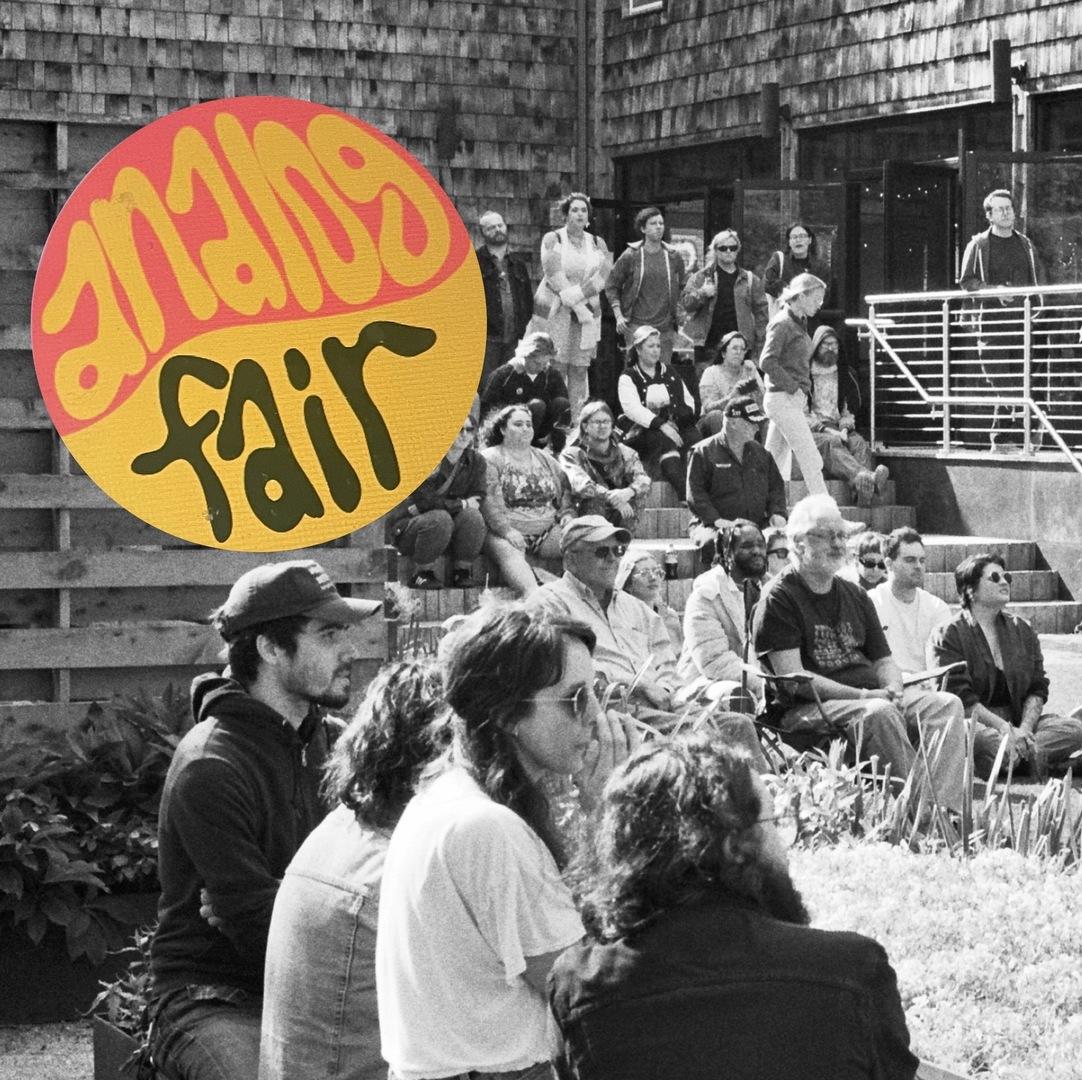
Going Offline at Cincinnati’s Analog Fair 2025
This blog post is a suitable companion to last time’s review of Liz Pelly’s Mood Machine, as I find that Cincinnati’s third annual Analog Fair based out of Northside, is a prime example of how we can resist the Spotify-sponsored, mood-tranquilizing, homogenous surveillance state of the current streaming landscape. I was reading Mood Machine the same week that I attended the Analog Fair, so my perception of the fair and what I was learning through Pelly’s book are a little inextricable. The Analog Fair began in 2023 and aims to “bring artists, creatives, and makers face-to-face. During a time where creating these bonds is absolutely vital to our survival, Analog Fair makes space to slow down, and cultivate something deeper and more resilient.” Throughout my experience at the Analog Fair, I was overcome with an immense gratitude that I live in a community that values local, in-person camaraderie, acknowledges the importance of analog media within the digital age, and supports unplugging ourselves from the constant stream of “connection” force-fed through the infinite scroll. Not only do Cincinnati’s music, art, and literary scenes value these ideals, but they also declare it boldly and celebrate it explicitly.
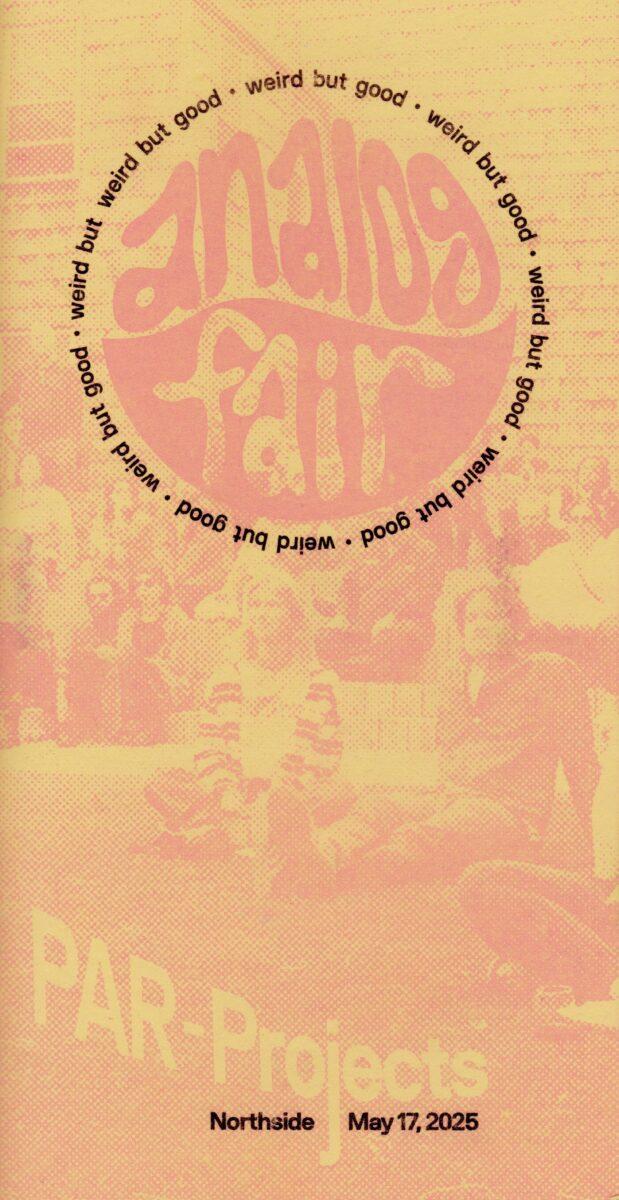
I attended the Analog Fair with a couple of my friends, and before the event we sat down and discussed which activities, vendors, and performances were of interest. But most importantly, we vowed to each other to do-not-disturb or power off our phones while in attendance. This practice was encouraged by the event organizers and all-in-all it simply made good sense. Personally, I am not too glued to my phone while at events anyways, but actively choosing not to engage with it at the Analog Fair made it feel more like a display of resistance. While at the fair, my friend Lucas and I noted how phones were not banned from the event, which actually made it more significant when we looked around and saw almost no one on their phones, but instead engaged in lively discussion with their friends or fair participants. The handful who were on their devices were paying for something or taking a photograph with their friends. Phones were reduced to their most basic functionality, with individuals consciously making the choice not to pick them up as distractions or time killers. There was no need to be distracted or kill time at the Analog Fair because it was a space that represented the inherent joy and interest that is fueled by creativity and ingenuity. Going analog even for a few hours reminded me of the ample moments this world has to offer that draw me in and stimulate my mind.
The first experience my friends and I took part in at the fair was the Deep Listening session hosted by Julianna Eidle and Owen Hopper. Deep Listening is the notable listening practice coined by the electronic composer Pauline Oliveros in the 1980s, comprised of a series of pieces meant to connect the performer with sound, their bodies, and their environment. Out of all the events at the fair, my friends and I had agreed beforehand that the Deep Listening piqued all of our interests. While I’ve known general information about Deep Listening from studying and listening to Oliveros, I had never experienced any of the pieces before and was looking forward to immersing myself into Oliveros’ practice.
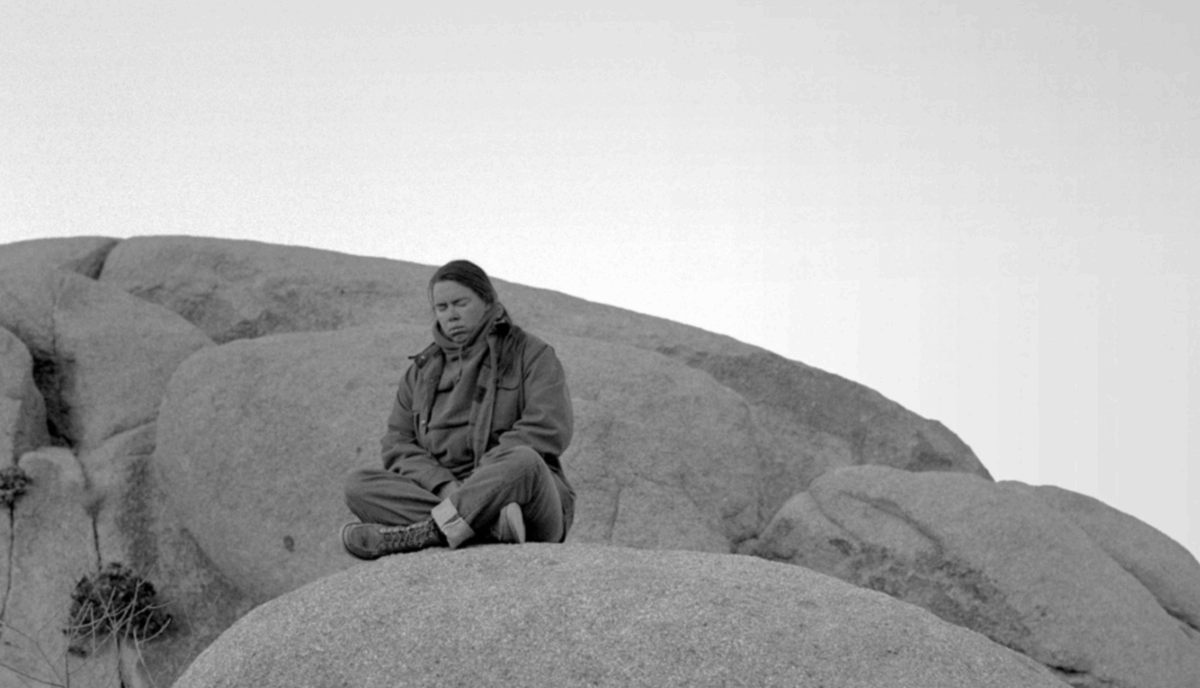
Upon arrival, we gingerly entered the dim room which was an offshoot of the art gallery. Scattered about the room were assorted cushions, beanbag chairs, and pillows. Hopper and Eidle welcomed us in warmly and we each sat down in the corner mindfully, expecting a meditative atmosphere. While there were elements of our Deep Listening session that were soft and reflective, the pieces involved so much more sound, movement, and jovial laughter than we were expecting. For some pieces we were up on our feet, creating movements and mimicking those of others in the circle through communication only of the body. With other pieces, we laid down and listened to our breath become wind through covering our ears. From this brief encounter with Deep Listening, I could glean how the practice was about awareness and communication through the body and sound. It demonstrated that there are many different ways to be present and aware, which doesn’t necessarily mean being still or silent. I found myself equally attuned to my surroundings and the actions of those around me through movement and making sound as I was in the more inactive moments. Including a Deep Listening session for the Analog Fair reminded me how the broader concern for avoiding distraction, connecting with yourself and your external environment, and being in the moment is not a new phenomenon, especially within musical communities. While we are presented with new and different challenges in the digital age than Oliveros encountered in the 1980s, the underlying currents are the same.
After about an hour of Deep Listening, we flitted amongst other activities and performances, such as visiting Conveyor Belt Books’ table and hearing sets from Kobe Thomas on improv electric guitar, raw punk energy from Badman, and puppetry and comedy. It was humorous to witness moments of conflict between the digital standards we now adhere to versus the ideals of the Analog Fair — one performer sheepishly mentioned her Instagram page while acknowledging how it was slightly taboo to do so at the Analog Fair. I was made all too aware of how phones make our daily transactions so fast-paced when I realized I had turned my phone off before I went to pay for a book from Conveyor Belt. Slowing that moment down allotted me a couple extra minutes to chat with the shop owner, Brandon Thomas Disabatino, another reminder of what is lost when we allow ourselves to be transformed to the pace of technology.
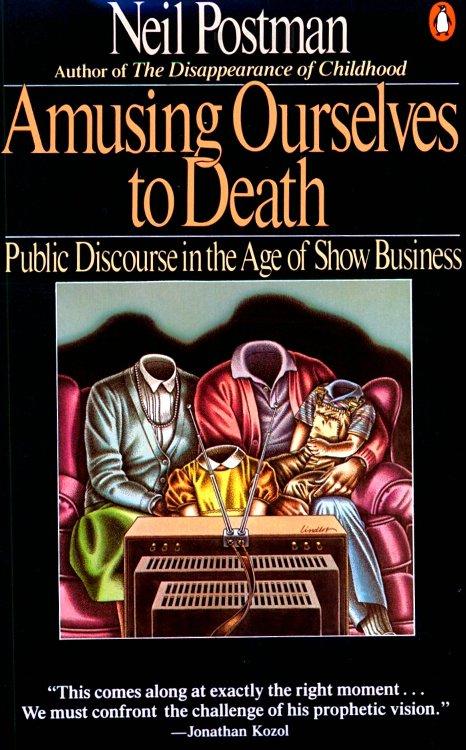
At Conveyor Belt’s table, I spotted a copy of Neil Postman’s Amusing Ourselves to Death, the book about all media turning into entertainment that was the catalyst for my personal transformations into a more digitally minimal person. My friend Lucas bought it and I felt a surge of excitement at passing the baton, knowing that Postman’s book continues to circle through the zeitgeist, still having the potential to transform our relationships to media. It was all too appropriate to see that book at the Analog Fair and felt like a moment of coming full circle for me. The joyful part is that these points in my development towards a more analog life happened in community, and I realize now how embedded connection and creativity are to embracing the analog and reducing the digital. Torn Light’s own Alex York was the one who recommended Amusing Ourselves to the Death for me, and three years later I was able to celebrate the analog with a large local community that shares that same passion to connect through disconnecting. Conveyor Belt’s Disabatino and I discussed how much we loved one of the original covers of Amusing Ourselves to Death from the 1980s, which depicts a family sitting on the couch, headless and subject to the television in front of them, that media the only thing they could perceive. It was so refreshing at the Analog Fair to place our heads back on and catch a glimpse of the world around us.
– Hannah Blanchette
June 4, 2025 | Blog